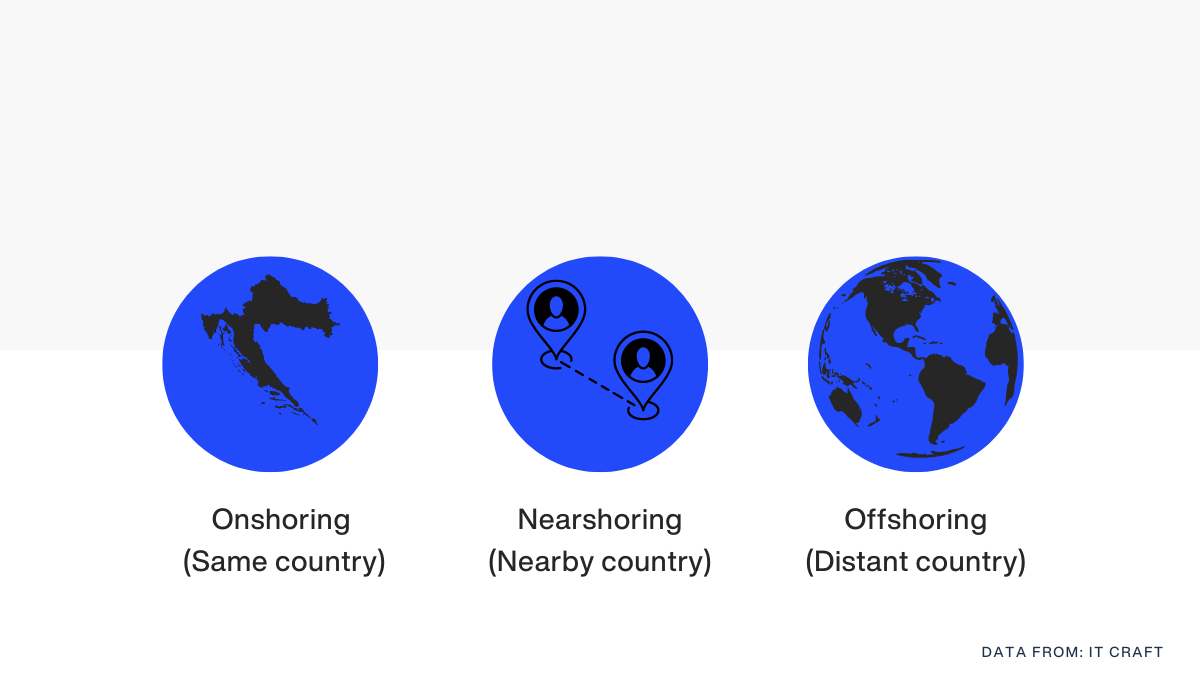
Here, we’ll discuss the 7 key benefits of nearshore software development and why you should go with it.
Let’s dive in!
Key takeaways:
Nearshoring solves talent shortages without the coordination overhead of offshore. Skill gaps have affected over 90% of organizations globally, with cumulative losses reaching $5.5 trillion in 2026 (IDC). A nearshore partner gives you easy access to experts you can’t find locally.
Shared time zones are a real speed advantage over offshore alternatives. With a maximum 3-hour difference, nearshore teams can run real-time feedback loops, unblock issues the same day, and iterate without the delays that plague offshore projects. Physical proximity also makes in-person meetings viable.
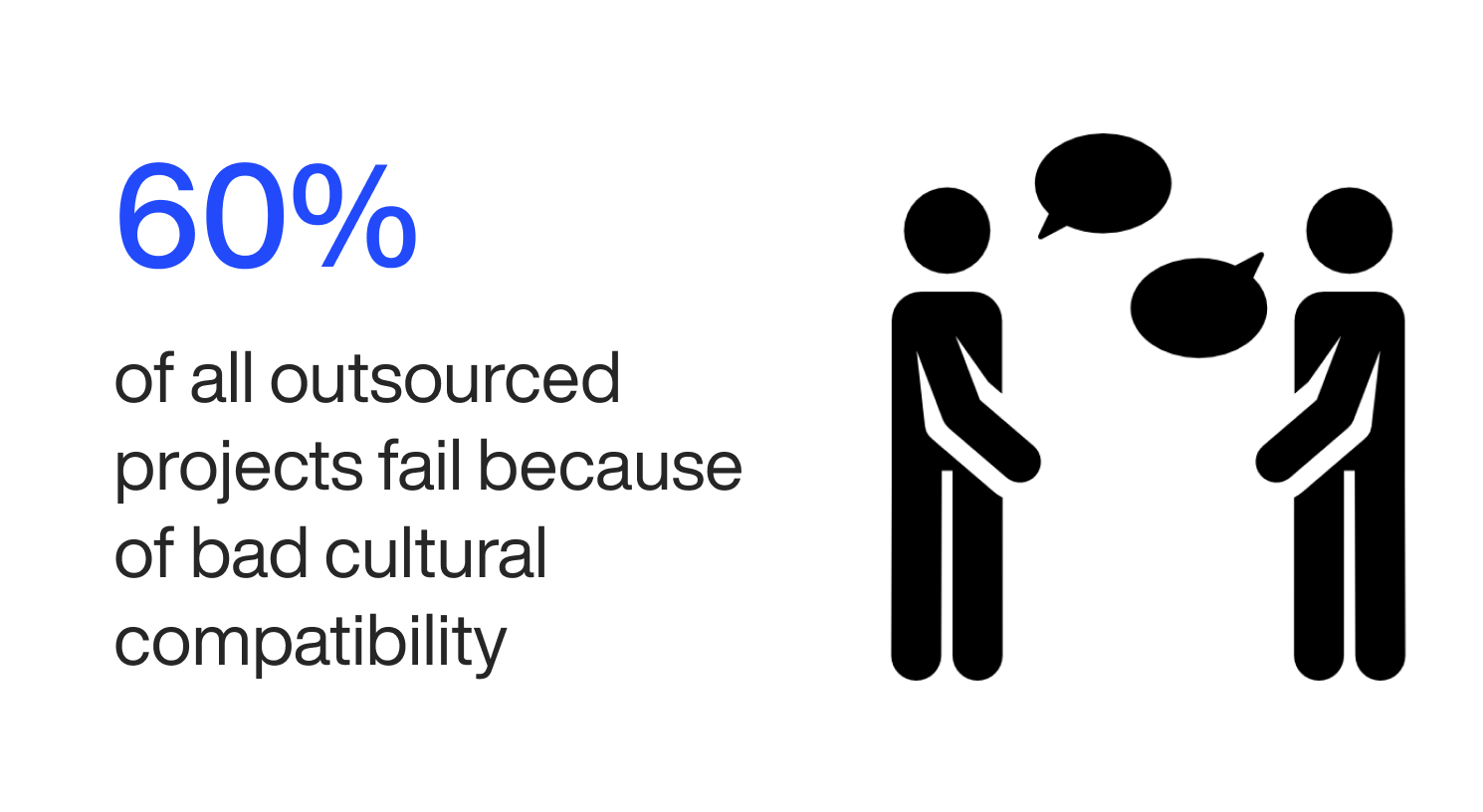
Cultural compatibility cuts the main reason outsourced projects fail. 60% of engagements fail due to poor cultural fit. Nearshore teams share similar work ethics and communication norms, so that risk drops before the project even starts.
Nearshoring delivers real cost savings and integrates faster than offshore. Development costs drop by 40-70% compared to in-house hiring. And because nearshore developers share your time zone and cultural context, they slot into your existing team faster than offshore alternatives would.
Access to specialized talent has now overtaken cost as the leading reason companies outsource.
Still, the economics are hard to argue with.
Nearshoring provides access to skilled professionals at a fraction of the cost of hiring a full in-house team – while maintaining high quality standards.
Compared to in-house development, outsourcing can cut development costs by 40-70%, depending on the region, team seniority, and engagement model.
But, why is that the case?
When you outsource development, you significantly cut or completely eliminate costs like:
Recruitment and onboarding costs
Employee benefits
Training costs
Rent and office maintenance costs
But, the main reason is lower labor costs and hourly rates.
And on top of that, there are plenty of other benefits, too, like:
Faster response time for bug fixes
Quicker feedback loops
Faster iterations
Real-time collaboration
So, when your work hours align perfectly, you’ll have a much easier time coordinating with your outsourcing partner.
This not only drives speed but also leads to fewer misunderstandings and unnecessary delays.
Access to a wider talent pool
Nearshore software development opens doors to a wider talent pool.
Countries in Eastern Europe or Latin America, for example, have invested significantly in tech education and have highly qualified professionals with diverse expertise.
Accessing this talent can give you a competitive edge and fill any skill gaps you have, as you’re not just limited to local talent.
According to IDC research, talent shortages have already affected over 90% of organizations globally, with cumulative losses reaching $5.5 trillion in 2026.
Nearshoring helps solve that problem. You get access to developers with a wide range of skills and experience, like:
It also lets you rapidly scale your team and help you find the exact skills you need for your project.
And the best part?
You don’t have to deal with the hassle of finding, screening, and hiring talent yourself – you can fully focus on your product.
Cultural compatibility
Cultural compatibility is a crucial yet often overlooked factor in outsourcing success.
If teams share similar values, work ethics, and communication styles, projects run more smoothly.
And when you go with nearshore software development, you’ll be working with a team that’s culturally compatible.
This solves a major problem – usually, 60% of all outsourced projects fail because of bad cultural compatibility.
But, if you go with nearshoring, you’ll minimize the risk of this happening to your project.
For example, culturally compatible teams are more likely to share similar approaches to problem-solving, feedback, and time management.
This reduces the risk of miscommunication and project delays.
And that’s why nearshoring is a great option.
Easy and efficient collaboration
Effective collaboration is key if you want to successfully outsource software development.
And nearshoring makes collaboration easy and efficient.
Nearshore partners share similar time zones and often a cultural background, which reduces communication barriers.
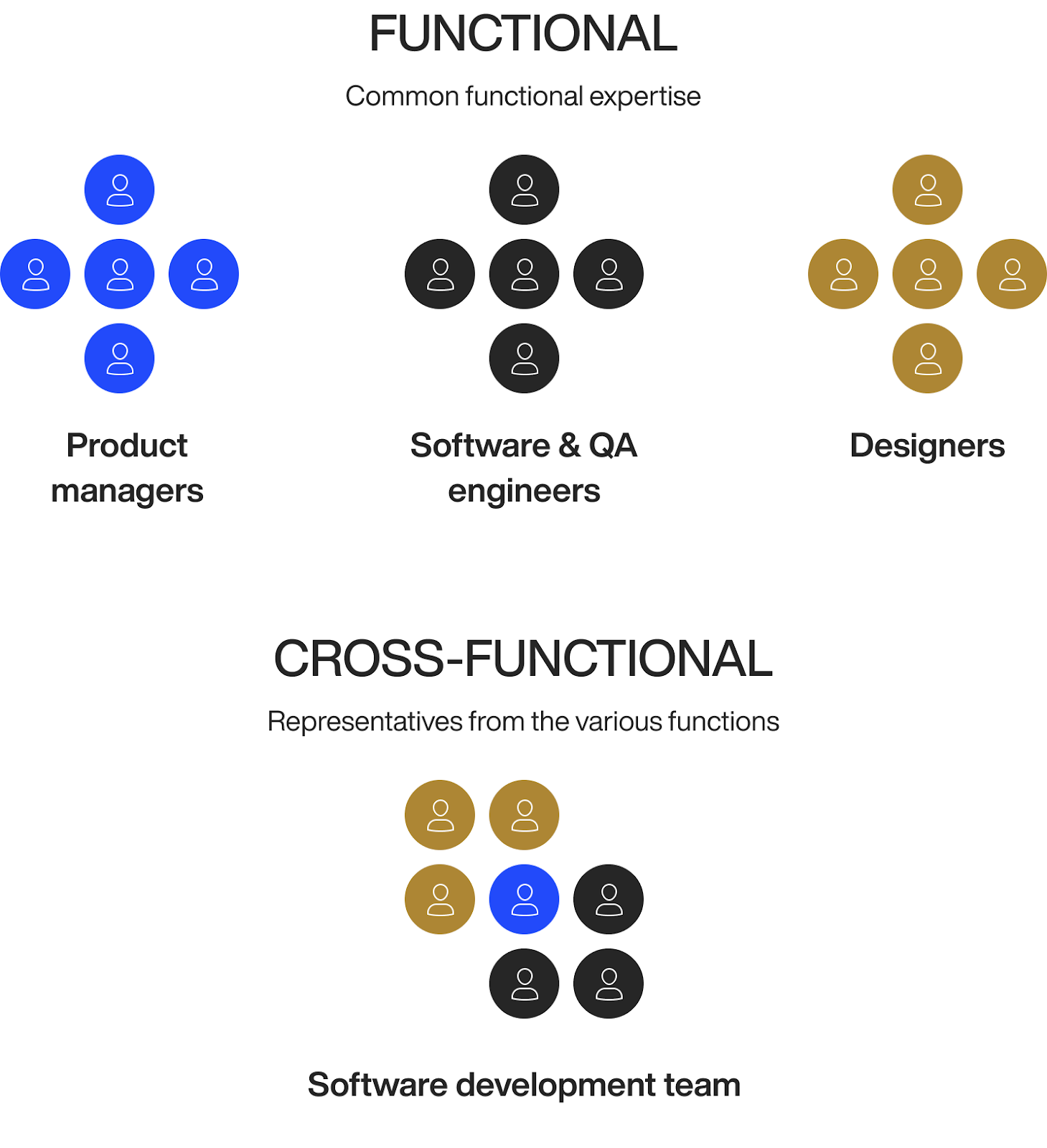
Let’s say you want to hire developers to join your cross-functional team.
Cross-functional collaboration is difficult at the best of times – and it’s even more difficult when you outsource development.
But, with nearshoring, cross-functional collaboration is much easier.
Nearshoring ensures communication happens in real time, so there’s less room for misunderstanding.
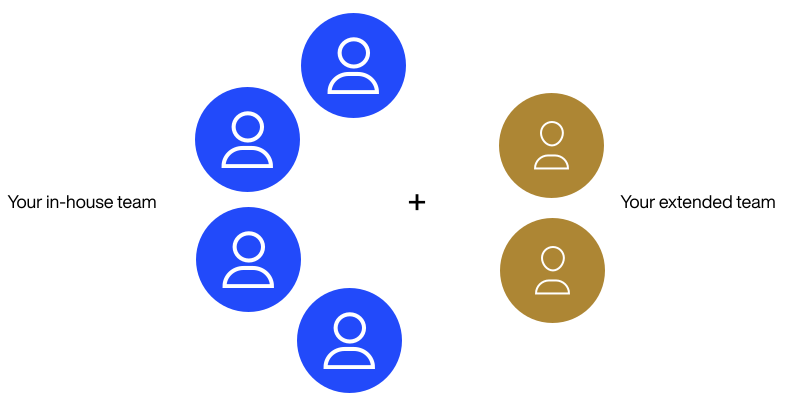
And the physical proximity lets you have face-to-face meetings when needed, which further strengthens the connection between your in-house and outsourced teams.
When teams collaborate easily, projects move faster.
This results in faster project timelines, clearer communication, and better alignment with your project goals.
Faster integration with in-house teams
Integrating nearshore teams with in-house teams is often faster and smoother compared to offshore teams.
Shared time zones, cultural alignment, and similar work practices allow nearshore developers to seamlessly integrate with your in-house team.
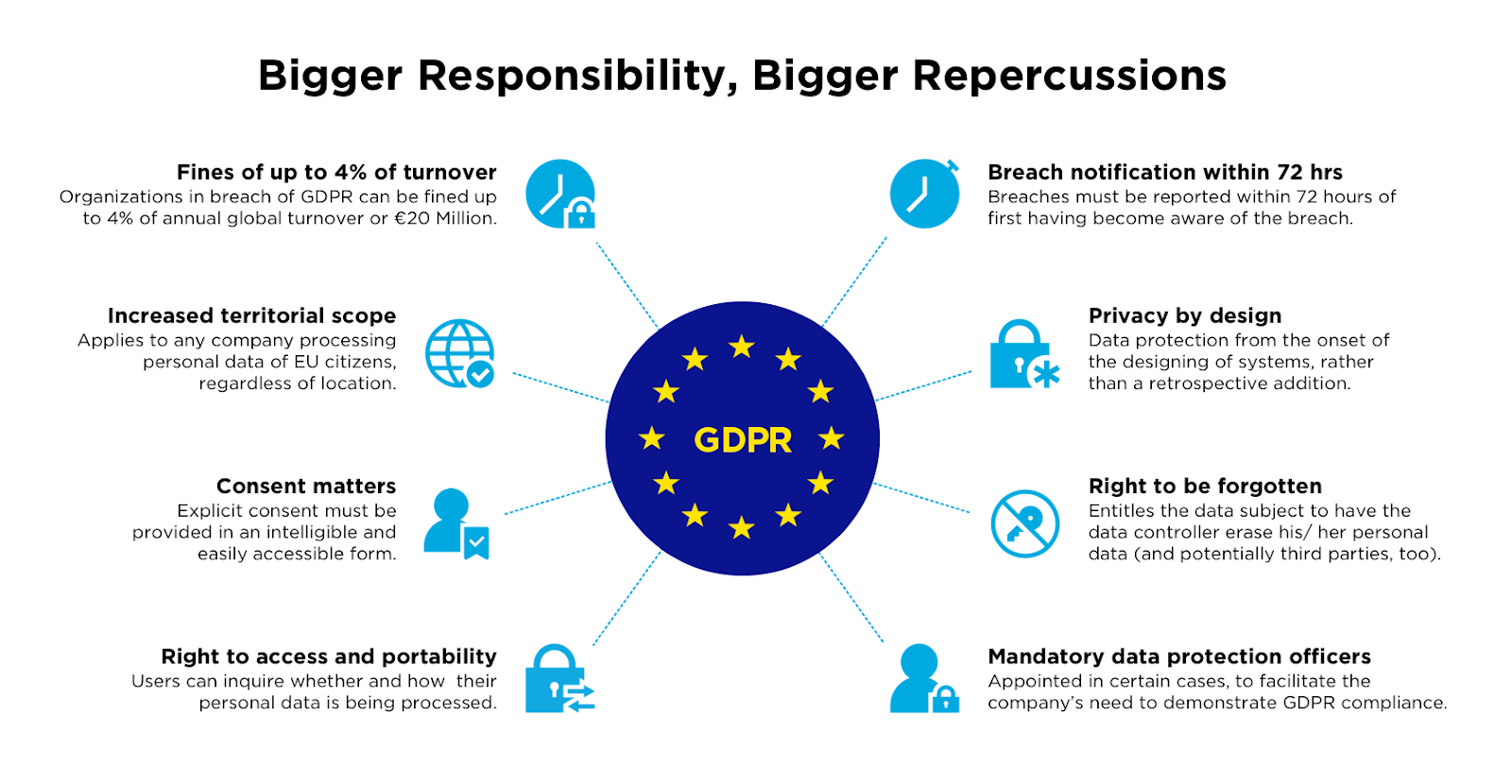
GDPR compliance is a major concern if you’re based in the EU.
But, if you outsource development to a nearshore destination in the EU, the shared regulatory framework makes GDPR compliance easy.
In short, having fewer regulatory and legal obstacles will allow your project to progress without unnecessary delays or risks.
EU AI Act compliance: a new nearshore advantage in 2026
The GDPR section above covers data protection. In 2026, there’s a new compliance layer: the EU AI Act.
The EU AI Act entered into force in August 2024, with most core obligations fully in effect from August 2026.
If your product uses AI – recommendation systems, automated decision-making, content generation, image recognition – you have compliance obligations around documentation, conformity assessment, and transparency.
When your nearshore partner is EU-based, they’re operating under the same AI Act framework you are. That creates a meaningful compliance advantage:
Shared understanding of high-risk AI system requirements – No need to translate obligations for a partner in a different regulatory environment.
Simpler conformity assessment and documentation – Both parties are accountable under the same rules.
Clear IP and liability alignment – EU law governs both client and vendor, removing ambiguity in cross-border AI development.
No compliance gap – With an offshore partner in a country without an equivalent AI governance framework, the client bears the AI Act burden alone.
This adds a new dimension to the compliance advantage nearshoring already provides.
As AI features become standard in software products, shared regulatory accountability becomes a real selection criterion.
Nearshore software development benefits: FAQs
The main benefits of nearshore software development are:
Lower development costs
No time zone differences
Access to a wider talent pool
Cultural compatibility
Easy and efficient collaboration
Faster integration with in-house teams
Fewer regulatory and legal hurdles
Nearshore teams are typically within the same or close time zones, which enables real-time communication.
And this means faster feedback, quicker decision-making, and fewer miscommunications.
Offshore teams, however, often face delays due to time zone differences, which can slow progress on your project.
To pick the right nearshore software development company, you need to:
Review their portfolio and case studies
Evaluate their tech stack
Check their reviews
Review their development process
Look into their pricing
Also, you should pay attention to:
Cultural and language compatibility
Their quality and expertise
Security and IP protection
Need a reliable nearshore partner?
Are you looking for a nearshore development partner but haven’t found the right fit yet?
Luckily, you’re in the right place.
We can take care of your product’s development from start to finish, whether you need a simple MVP or a complex, enterprise-grade solution.
We work as a single dedicated team on a single project – the team you hire won’t work on other projects
If you want to learn more, feel free to reach out and our team will set up a quick meet to discuss your needs in more detail.
A seasoned software engineering executive, Marin’s role combines his in-depth understanding of software engineering processes (particularly mobile) with product and business strategies. Humbly boasting 20+ years of international experience at the forefront of telecoms, Marin knows how to create and deliver state of the art software products to businesses of all sizes. Plus, his skills as a lifelong basketball player mean he can lead a team to victory.
When he’s not hopping from meeting to meeting, you’ll find Marin listening to indie rock, or scouring the latest IT news.
The IT outsourcing market hits $634B in 2026. Here are 10 trends shaping software outsourcing this year, from agentic AI to outcome-based pricing, with verified data to back it up.