Legacy software modernization

We rebuild outdated systems so you can move fast, stay secure, and build the future of your business. Want to add AI while we’re at it? No problem. For regulated industries, we can run it locally on Spark, our private AI infrastructure, so your data never touches a public API.

Talk to an Engineering Consultant →

Trusted by great companies

ATT
RoyalCaribbean logo white
Asseco
Microsoft logo white
Contentsquare
Asset 1sofa 11

We know how to modernize legacy software…

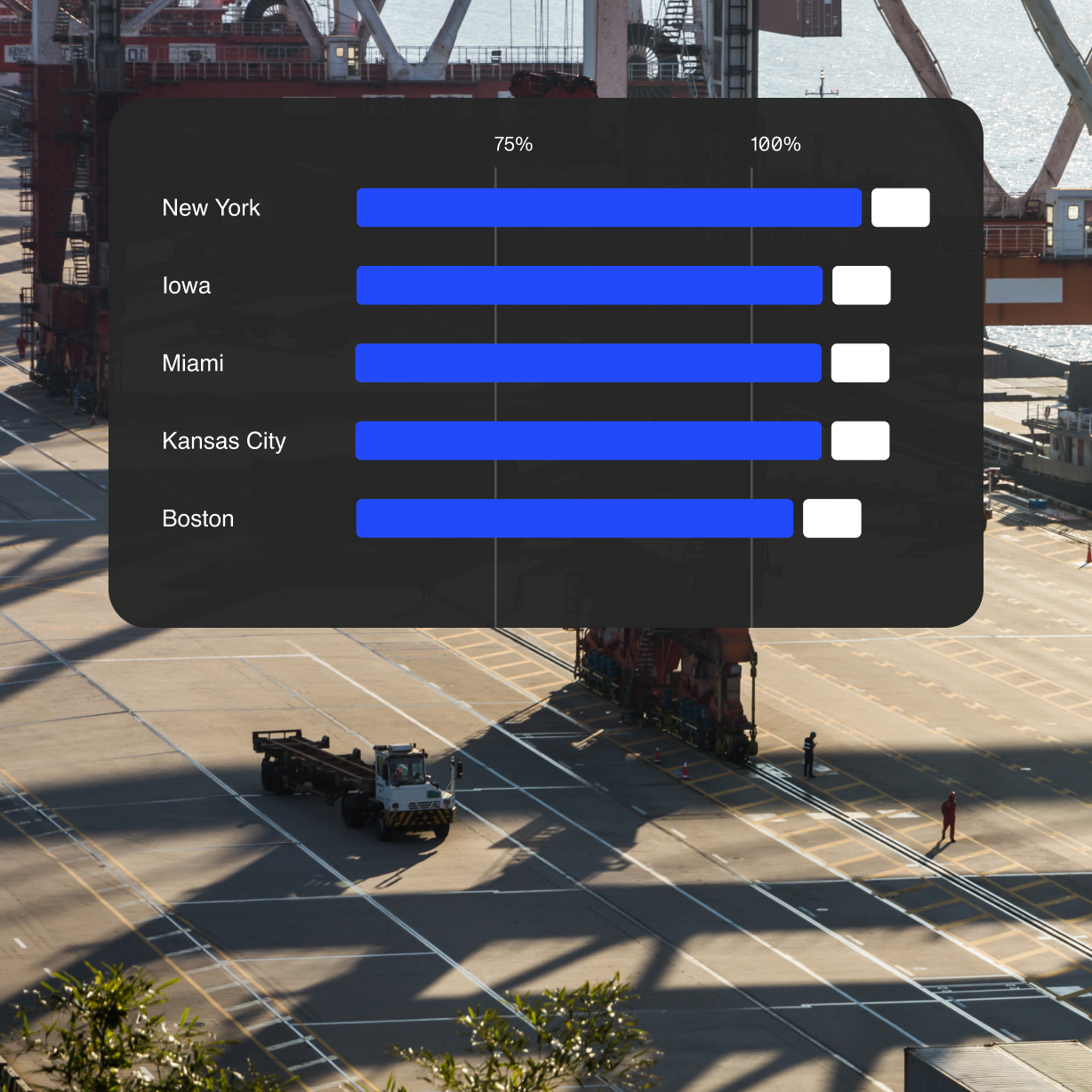
Capacity-planning platform that processes 400,000+ daily reservations

Modernized processes and saved $100M+ for a class I railroad

A system this complex normally takes 9 to 12 months. They had 3. We assembled a 14-person senior team in a week and shipped on deadline.

The real-time reservation system now automates slot allocation across their network, processes 400,000+ reservations a day. Read case study →

I would strongly recommend DECODE to anyone looking for software development. From the outset, the engagement felt like a true partnership rather than a traditional vendor relationship.

Chris Ingraham
AVP of Operations Infrastructure & Efficiency at Norfolk Southern
Sup hero 2

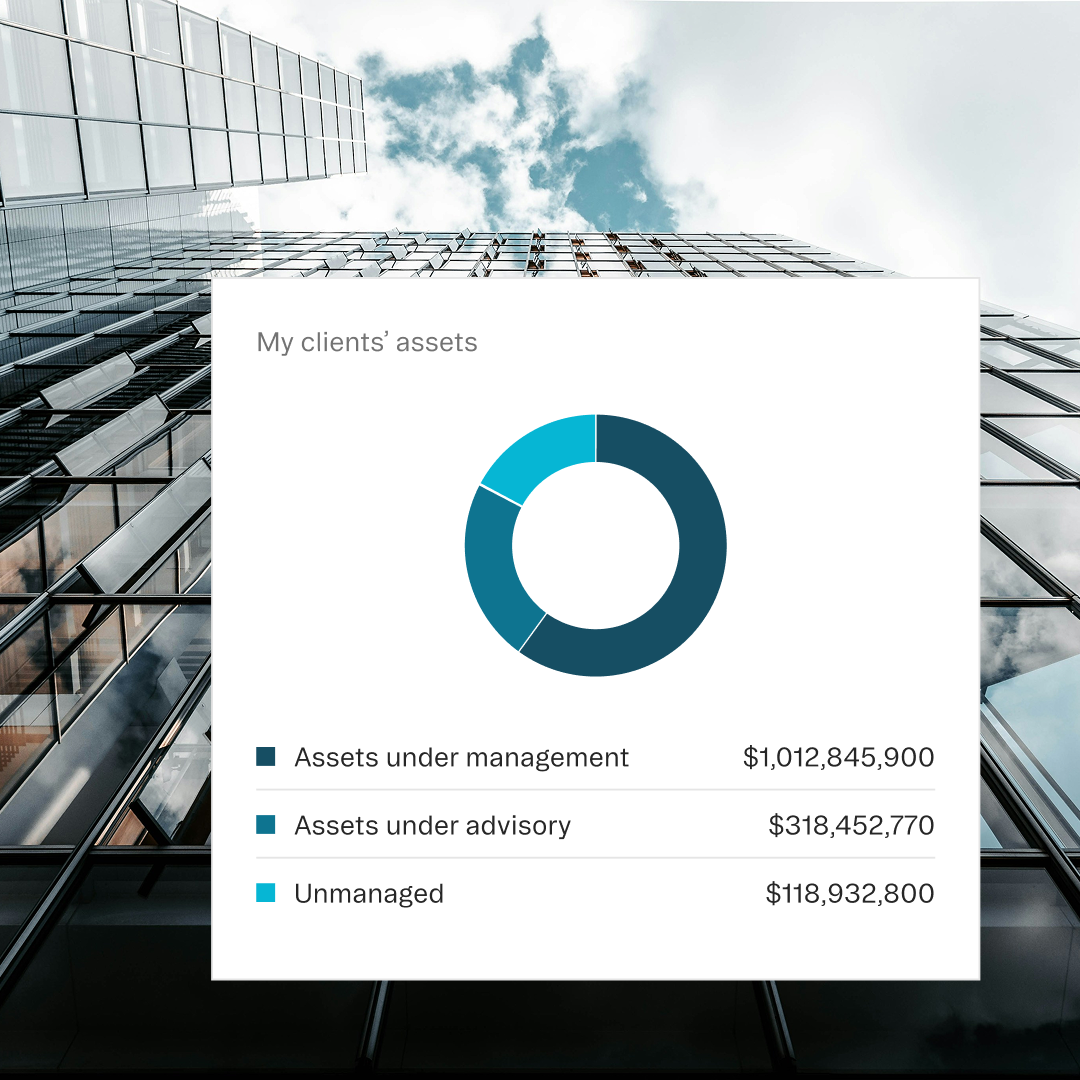
Combined 12 tools into 1 platform for a US wealth management firm

We ran product discovery and built a custom operations platform from scratch, replacing a dozen disconnected tools with a single system for client hierarchies, advisory workflows, document management, and compliance, all in one place.

Read case study →

Talk with an Engineering Consultant, not a salesperson.

We get on a call and go through your actual system, not a generic modernization pitch. Here’s what that conversation covers:
  • What’s actually still working, and what’s quietly become a liability
  • Whether you need a full rebuild or a phased refactor that leaves your team room to breathe
  • How to migrate without stopping the business, including what “zero downtime” actually requires for a system like yours
  • Where the compliance risk really sits today, and what has to change before it doesn’t
  • If the right call is leaving something alone for another year, we’ll tell you that too
Marin Luetic engineering

You’ll speak directly with Marin, a senior engineering consultant with 25+ years of international experience. Connect with him on LinkedIn.

THE PROCESS — 5 steps, process to modernize your system

01

Discovery


We dig into your current system. That means reviewing your codebase, architecture, third-party integrations, and documentation (if it exists). If it doesn’t, we reverse-engineer your logic and behavior.

While the tech is important so is your business strategy. We make sure to understand the goals you want to accomplish with a modernized system.

We also talk with your team to map out how the app works in real life, not just how it’s supposed to work.

You’ll get:

  • A full system audit
  • Pain points and quick wins
  • A high-level risk assessment
  • Realistic modernization options

02

Planning

We define a modernization roadmap that fits your business. You might need a full rebuild. Or maybe we can refactor key modules and gradually phase out the old parts.

We balance speed with safety, always protecting your current operations.

You’ll get:

  • A tailored strategy (refactor, rearchitect, rebuild, etc.)
  • Timeline and team breakdown
  • Cost and scope estimate
  • Migration or transformation plan

03

DEVELOPMENT

Here’s where our team gets to work. We break the system into manageable components and modernize them one at a time.

We update outdated code, replace deprecated dependencies, improve the UX, and rewrite services for better performance. CI/CD pipelines keep everything moving fast and safely.

You’ll get:

  • Clean, modern code
  • Scalable architecture (e.g., microservices if needed)
  • Updated UX/UI
  • Full QA coverage at every step

04

DEPLOYMENT

We release in phases, starting with staging environments and test data. You’ll sign off before anything goes live. When we deploy, we monitor performance closely and keep your team in the loop.

You’ll get:

  • Risk-free rollout
  • Minimal or no downtime
  • QA signoff and release notes
  • Real-time monitoring and feedback loop

05

SUPPORT

Modernization isn’t a one-off event. We stick around to fix bugs, make small updates, and help your team own the new stack. If needed, we’ll train your developers and document everything thoroughly.

You’ll get:

  • Post-launch support and maintenance
  • Documentation and training
  • Roadmap for future updates
  • A real partner, not just a vendor

The outcome? More productivity, reduced costs and staying ahead of your competition.

Great, but why DECODE?

Here’s why we’re the right company to modernize your legacy systems:


Experience with complex domains

We’ve modernized software in industries where getting it right isn’t optional, like healthcare, fintech, telecoms, and rail. We’re used to working with strict compliance, high-performance requirements, and large codebases.

Secure by design

We build with security in mind from day one. That includes secure coding practices, access control, audit trails, and compliance with standards like HIPAA, GDPR, and SOC 2, depending on your needs.

Technical depth

Our engineers have experience with legacy systems built in Java, .NET, and even Delphi. We also work with modern stacks like Kotlin, Swift, React, and cloud-native services on AWS, GCP, and Azure.

IoT expertise

Your systems might be tied to machinery, making you even more reluctant to make changes. We have experience in creating software that seamlessly communicates with any device, so you can rest assured the modernization will not disrupt your business.

Let’s talk

legacyjpg

Talk to the right person from the start

Connect directly with our Chief Client Officer who can move things forward. Prefer to start with a message? Skip below and we’ll get back to you the same day.

Marin luetic

Marin — Chief Client Officer
25+ years of international experience.
Connect via Linkedin →


or

Tell us about your idea, challenge, or goals. We’ll get back to you within one business day to discuss next steps.

Don’t worry, any information you give us will only be stored for business purposes. Find out more in our Privacy Policy.

Still unsure about something?

Don’t worry, whatever it is, we’ve got you covered in our FAQ.

It varies more than most agencies will admit. A phased refactor of specific modules can run a few weeks at a time. A full rebuild of a complex system more typically takes 6 to 12 months, though it depends entirely on scope and how tangled the existing system is. Our Norfolk Southern build is the exception that proves the rule: a system that size normally takes 9 to 12 months, and we delivered it in 3 by assembling a 14-person senior team in a week, but that was a compressed timeline built around a hard deadline, not the default expectation.

It depends heavily on scope, a full rebuild costs very differently than refactoring a handful of modules. As a rough ballpark, end-to-end legacy modernization typically runs €250k and up, with product discovery or a focused audit scoped separately at €20k to €50k if you want to understand the problem before committing to the bigger number.

The real answer comes out of discovery itself, since two systems that look similar on the surface can need very different amounts of work underneath.

Yes, and it’s often the right order to do things in. A lot of AI projects stall because the underlying system can’t actually support them, no structured data, no real-time visibility, no single source of truth. We can modernize first and add AI once that foundation exists, or build AI in from the start if your systems are already ready for it. For regulated industries, we can run any AI work locally on Spark, our private AI infrastructure, so your data never touches a public API.

Mostly companies where the software still works, technically, but is quietly costing more than it should: manual workarounds nobody questions anymore, a system nobody fully understands because the person who built it left years ago, or a codebase that’s slowing every new feature down. We’ve modernized systems for manufacturing, logistics, healthcare, fintech, telecoms, and rail, industries where getting it wrong isn’t an option, so we’re used to strict compliance requirements and large, tangled codebases. If your team is spending more time keeping the lights on than building anything new, that’s usually the signal.