Fintech, IoT, healthcare, transportation, communication
Microsoft, AT&T, Royal Caribbean, Norfolk Southern, Contentsquare
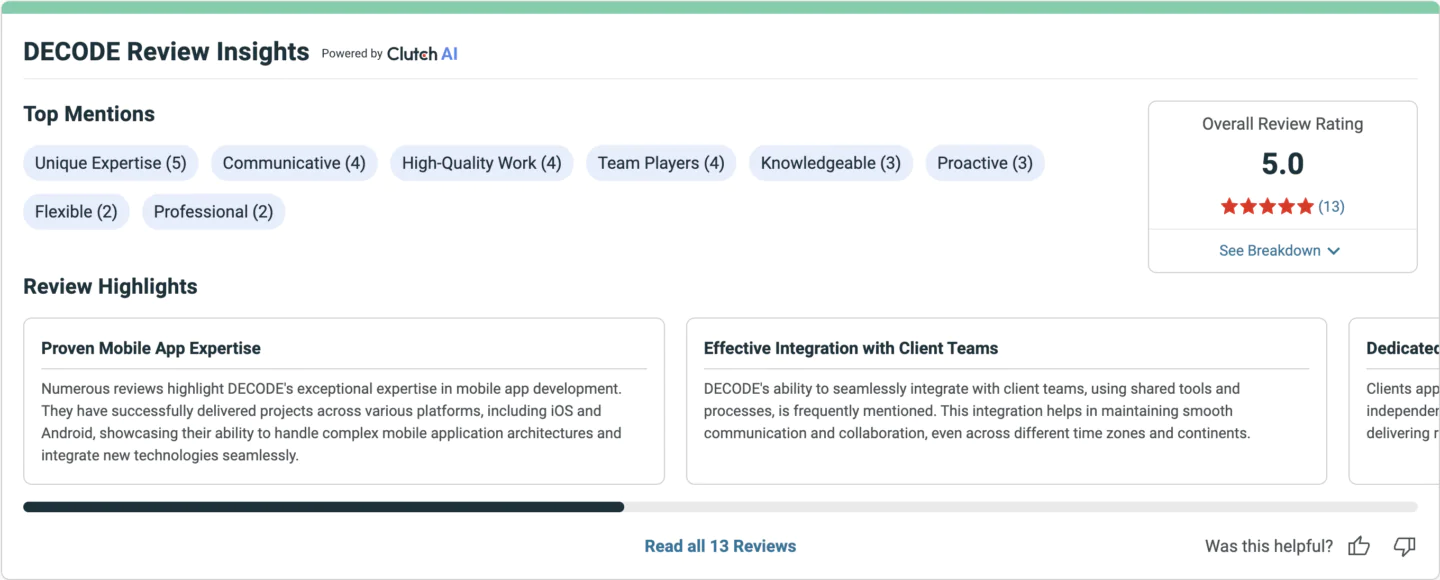
5.0
How we chose these companies
There’s no shortage of European software development companies to choose from. But not all of them belong on a list like this.
Here’s what determined whether a company made it:
Clutch rating of 4.7 or above. We used Clutch as our starting point because every review on the platform goes through a verification process. You can’t buy your way to a high score. A rating of 4.7 or above, backed by a meaningful number of reviews, means clients were consistently satisfied enough to go on record and say so.
Proven track record with recognizable clients. Claims are easy. Portfolios are harder to fake. We looked for companies that have shipped real products for established businesses, not just a handful of small-budget startup projects. If well-known companies trust them with critical software, that carries weight.
Full-service capability. A company that only does one thing well is rarely the right long-term partner. We prioritized companies that cover at least the core bases: development, design, and discovery. The more of the product lifecycle they can handle, the less coordination overhead falls on you.
Industry depth, not just breadth. Saying you work with “everyone” often means you’ve gone deep with no one. We looked for companies with demonstrable experience in specific industries.
Modern, maintained tech stack. We went through each company’s current tech and services pages. If the stack hadn’t evolved in years, or if they’d skipped past AI and cloud-native practices entirely, they didn’t make it. What a company builds with today matters more than what they built with five years ago.
Team stability and tenure. High turnover is a risk that doesn’t show up in any pitch deck. We focused on companies with at least five years of operation, steady team growth, and a track record of keeping long-term client relationships. That pattern is a better predictor of reliability than headcount alone.
Every company on this list was evaluated against all six of these criteria.
The ones that didn’t make it, and there were plenty, didn’t make the cut regardless of marketing budget or brand recognition.
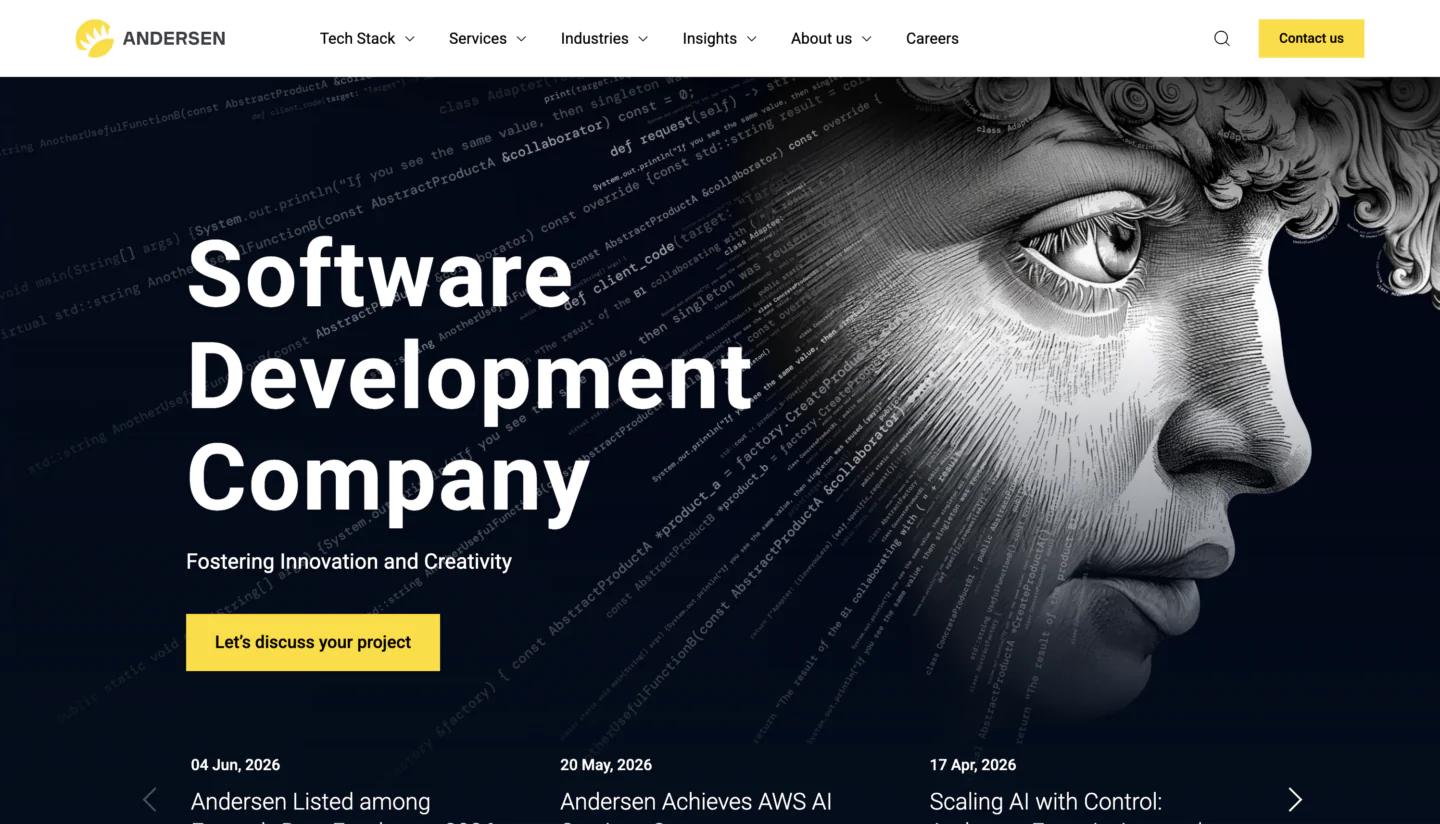
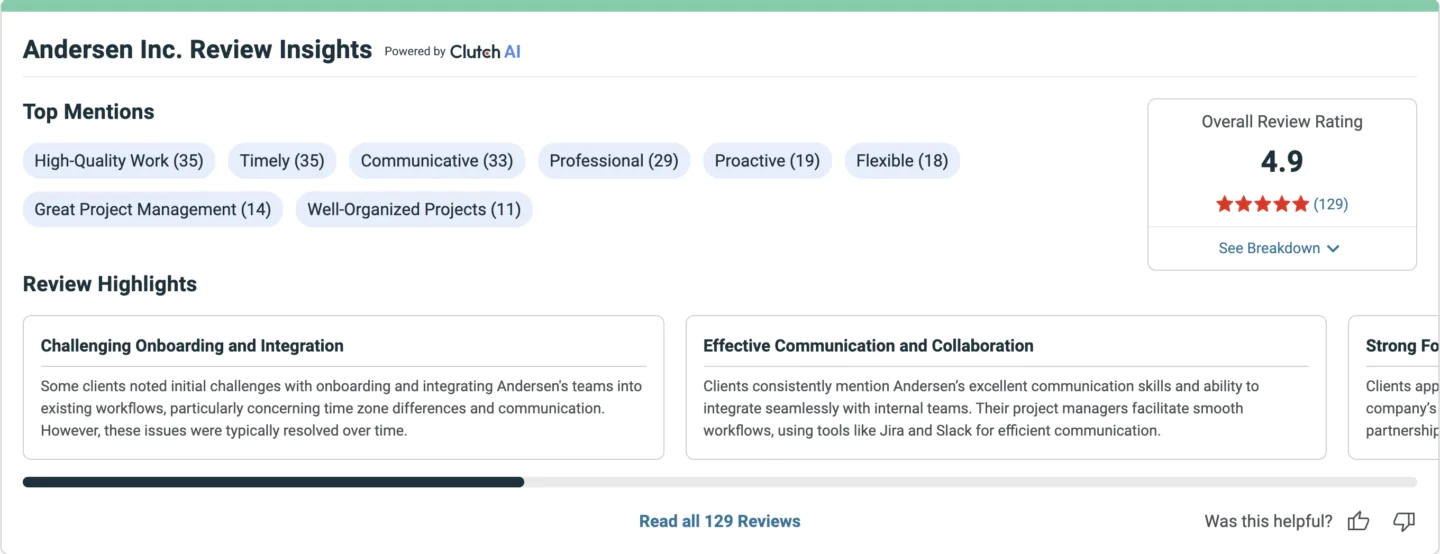
With 2,400+ engineers and partnerships with over 160 enterprises, including Fortune 500 companies, they’re one of the largest nearshore providers on this list.
They earned AWS AI Services Competency in March 2026 and were recognized in Forrester’s Digital Transformation Services Landscape Q2 2025.
Services
Software product development
End-to-end engineering from concept to deployment.
Cloud development services
Cloud migration, managed services, and cloud-native architecture.
Data analytics
Data platform engineering, business intelligence, and data operations.
AI software development
AI consulting, generative AI (RAG, LLM integration, multi-agent orchestration), machine learning, MLOps, and computer vision.
Embedded software
Developing software for embedded systems and IoT devices.
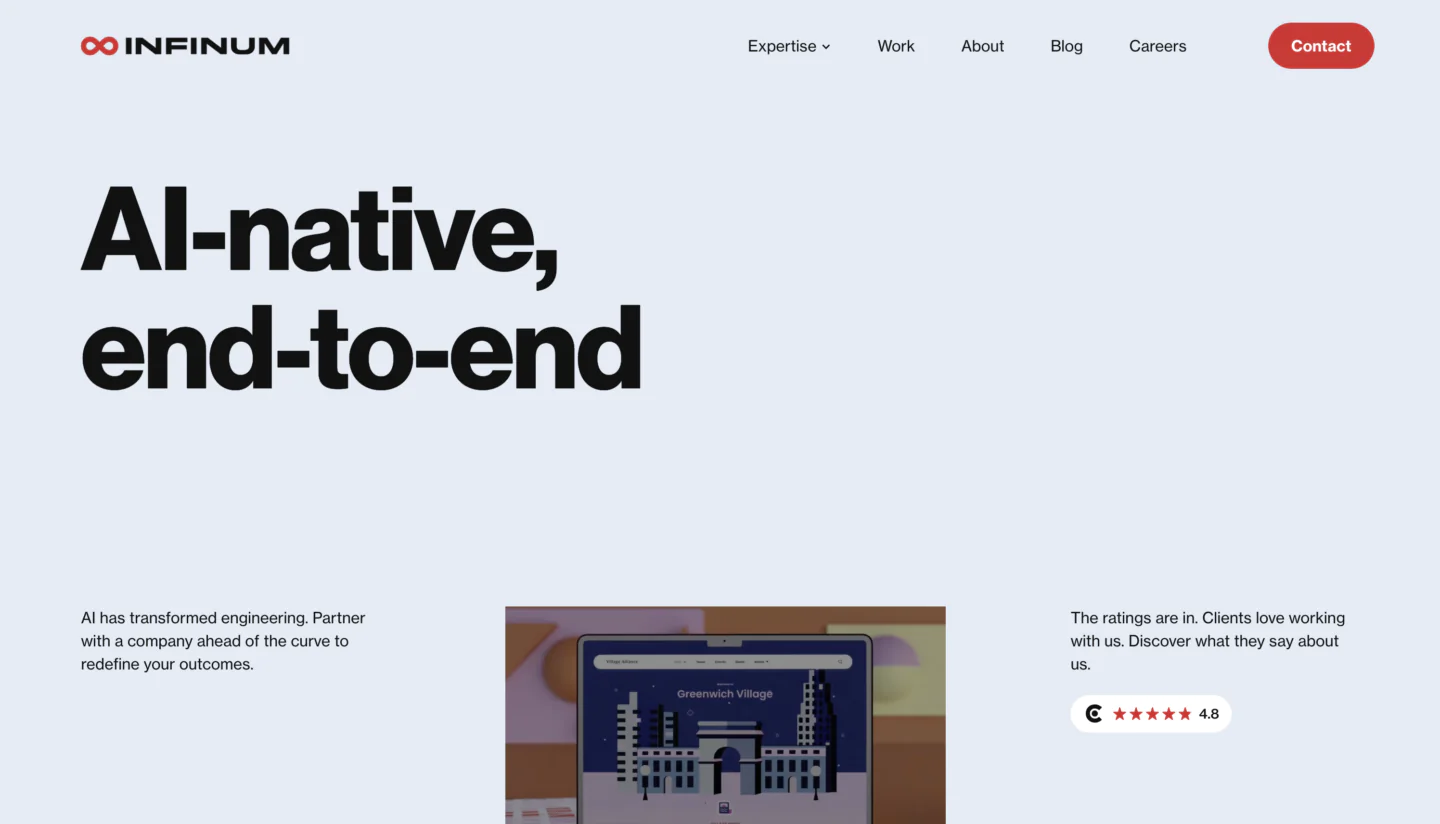
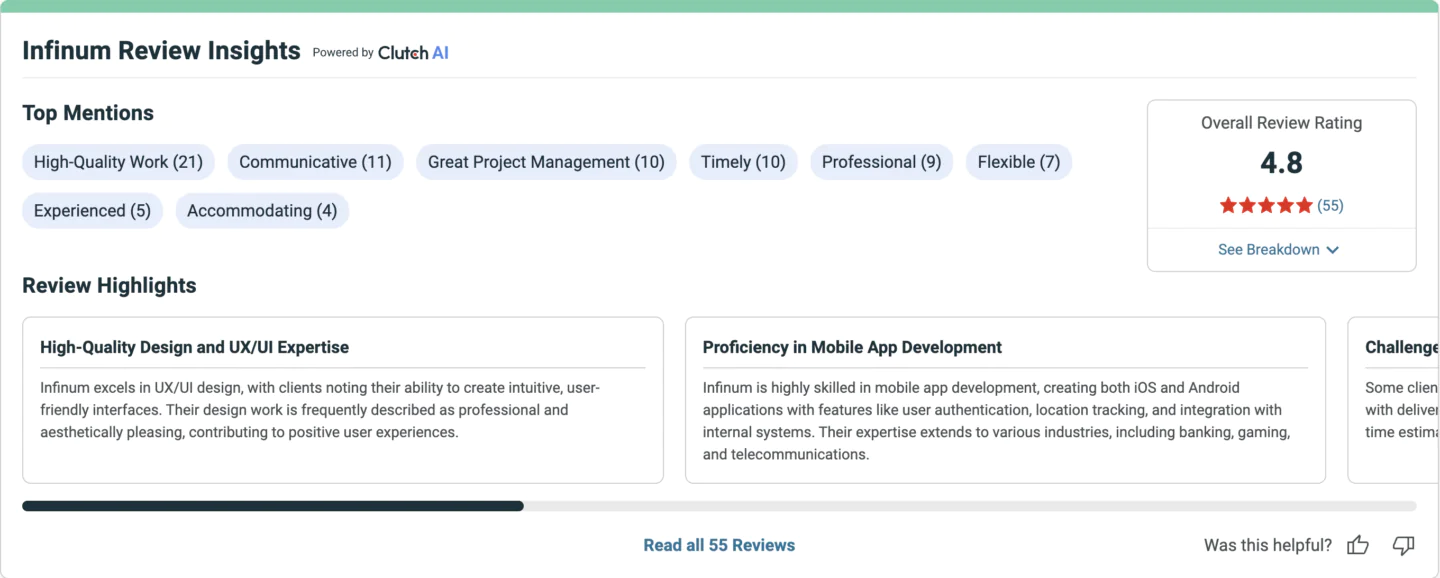
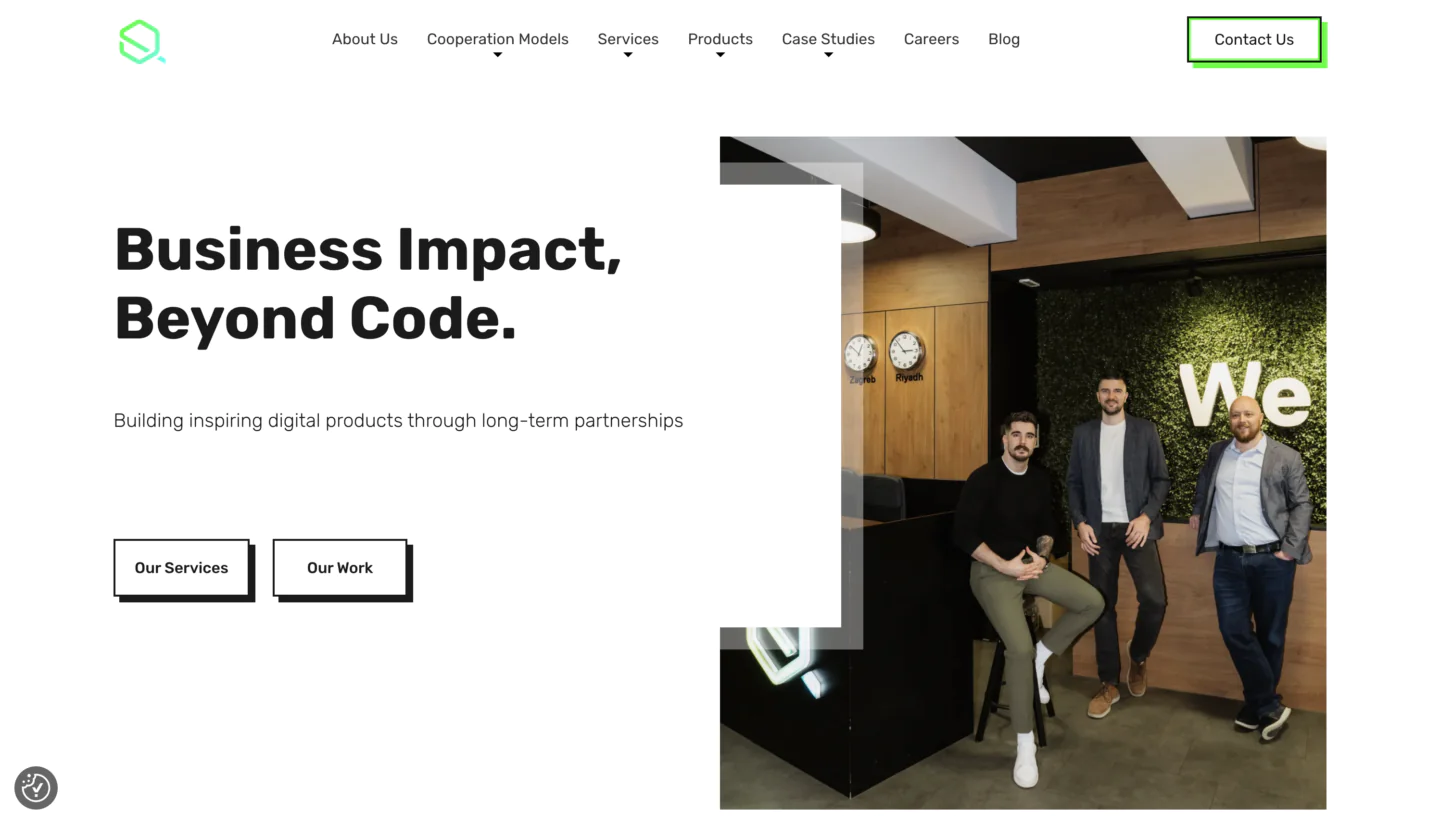
Founded in Zagreb in 2005, Infinum has grown into a digital product agency with close to 400 employees across seven offices: New York, Zagreb, Ljubljana, London, Podgorica, Skopje, and Amsterdam.
They acquired Amsterdam agency Your Majesty in recent years, expanding their brand experience practice.
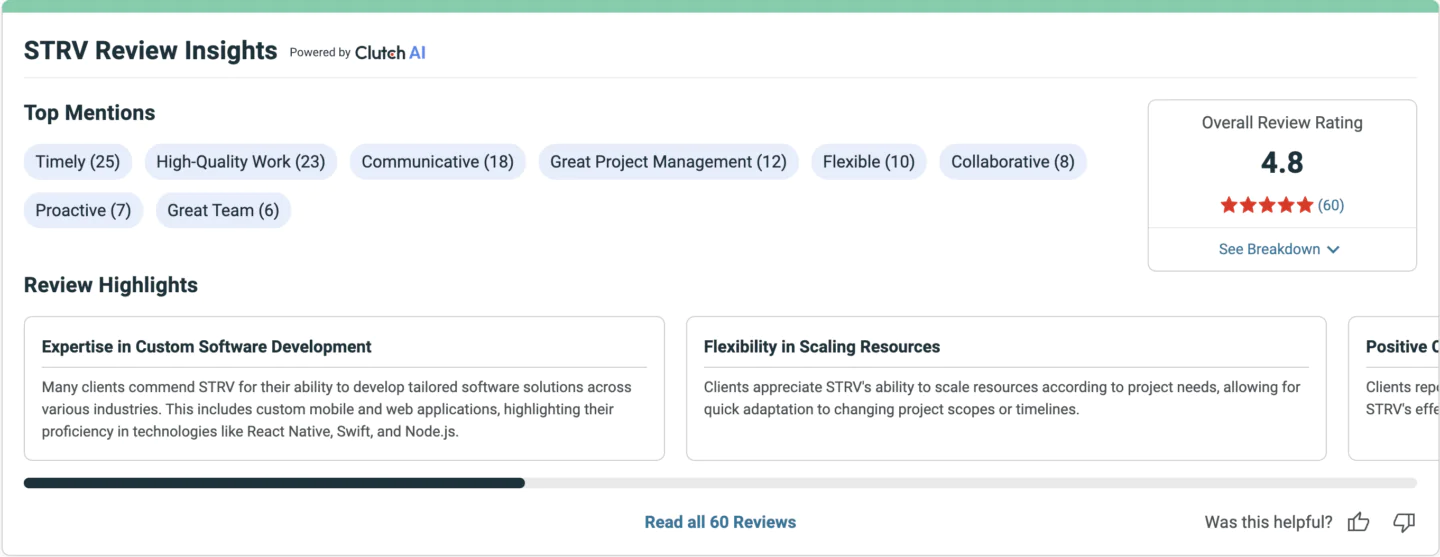
STRV is a digital product design and development company founded in the Czech Republic in 2004, with additional offices in San Francisco, New York, Los Angeles, and Brno.
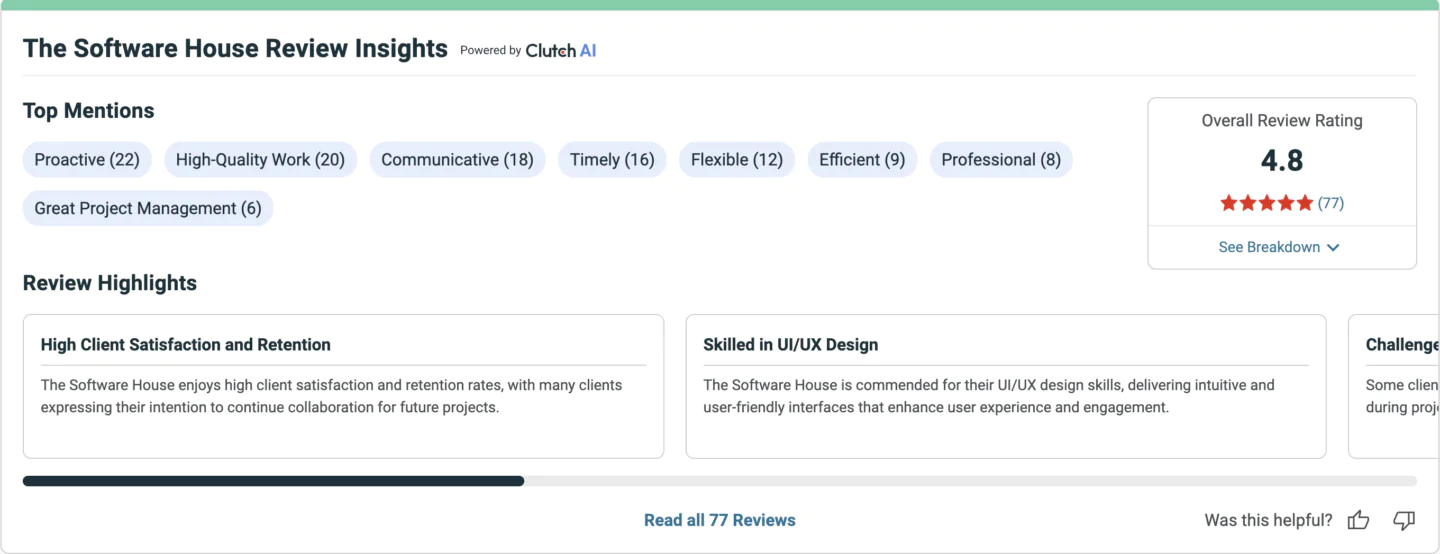
The Software House (TSH) is a Poland-based software development company founded in 2012, headquartered in Gliwice with additional offices in Krakow and Warsaw.
With 300+ engineers and 160+ clients across 32 countries, they’re one of the more established mid-size shops on this list.
TSH has built out a dedicated AI and data practice that includes MCP server development, AI agent development, and GenAI rapid prototyping sprints, making them a strong option for companies that need production-grade AI integration.
Services
Web development
Building responsive, high-performance web apps.
Mobile app development
Creating native and cross-platform mobile apps.
DevOps services
Improving clients’ development processes and IT infrastructure, including CI/CD pipelines, cloud engineering, and infrastructure.
Digital product design
Designing intuitive user interfaces for digital products to improve user experience (UX).
AI and data engineering
GenAI rapid prototyping (two to four weeks), AI agent development, MCP server development, data engineering pipelines, and AI training for client teams.
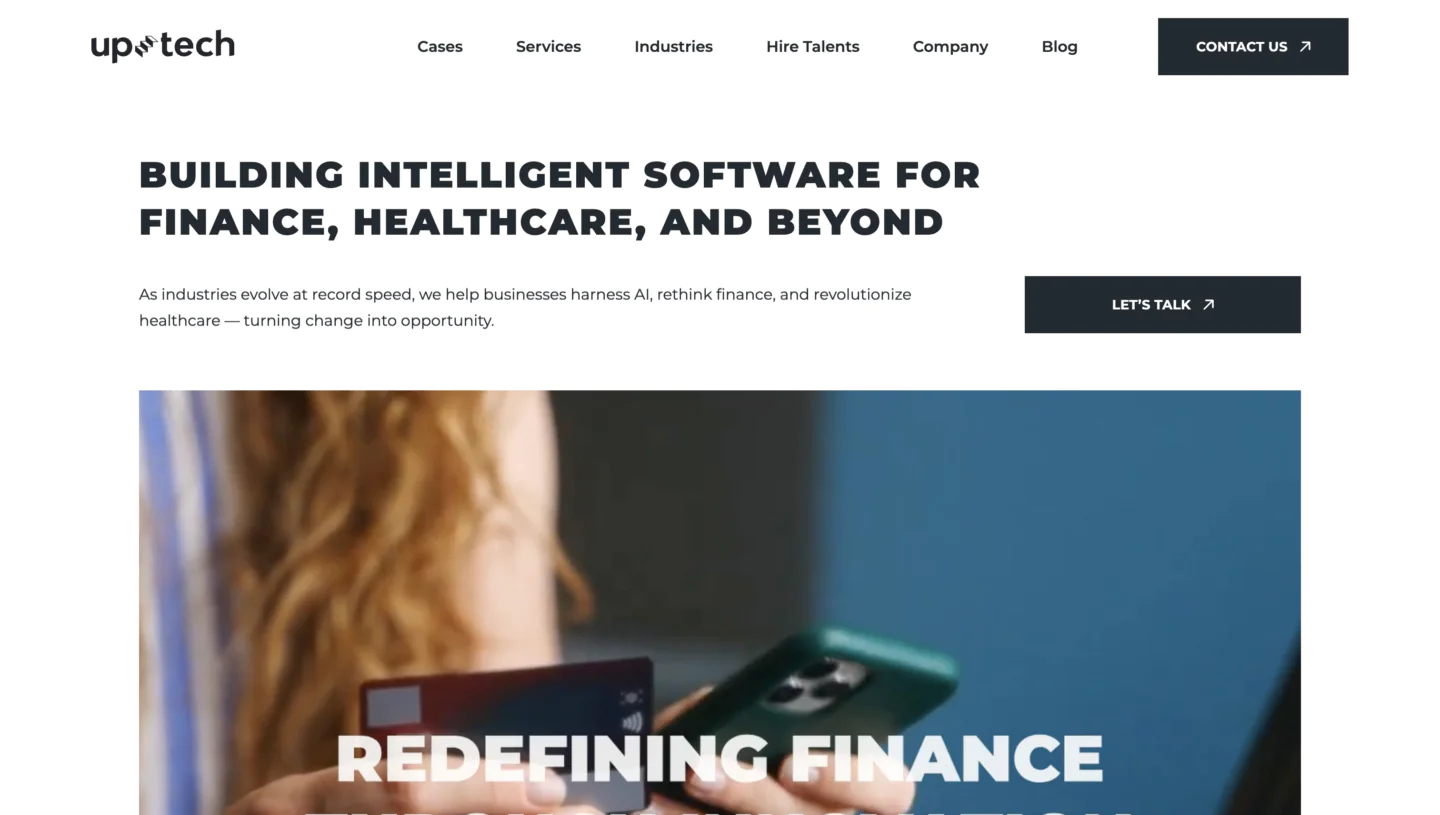
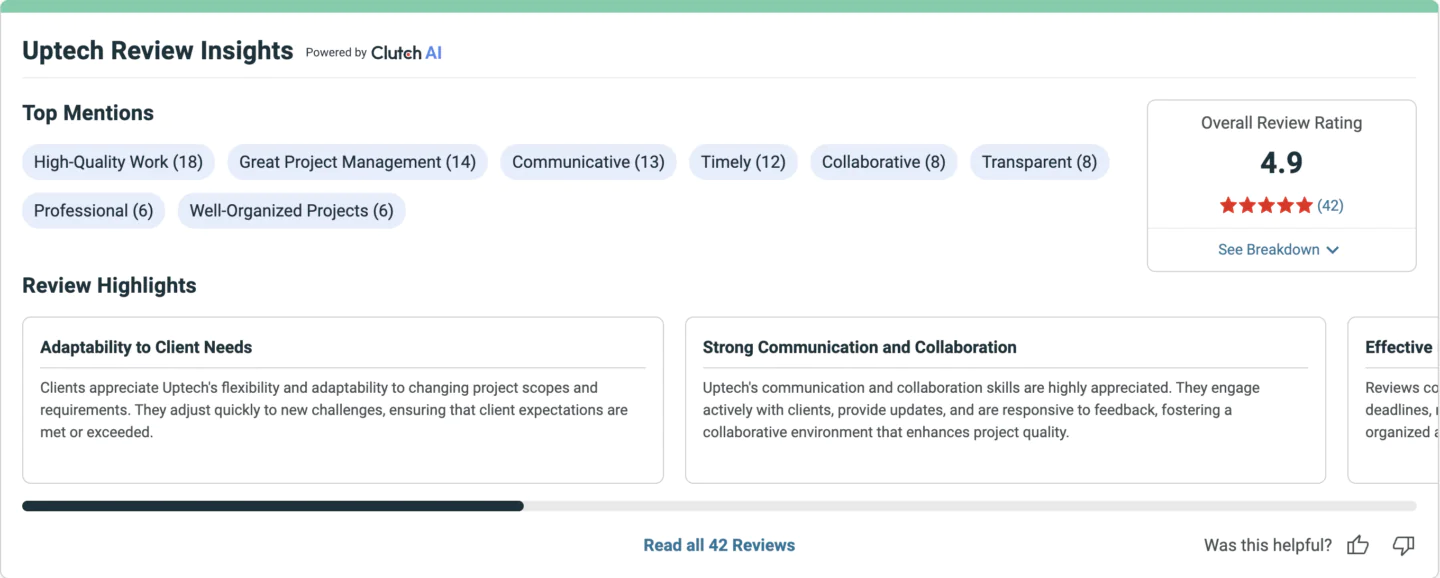
They specialize in building enterprise-grade systems for industries like healthcare, finance, and logistics.
They cover 22 industry verticals and have the most developed AI practice on this list: 90+ dedicated AI specialists with named roles including AI Platform Engineers, Applied AI Solution Engineers, AI Agent Engineers, Conversational AI Engineers, and Image/Video Intelligence Engineers.
Services
Custom software development
Developing tailored software solutions for unique business needs.
Enterprise software
SAP, Salesforce, Oracle ERP, and CRM consulting.
AI development
AI consulting, LLM integration, AI agents, conversational AI, computer vision, MLOps, and AI in SDLC.
Cybersecurity
IT security management, SOC-as-a-Service, and penetration testing.
They’ve expanded well beyond their original mobile app focus and now offer dedicated AI and ML development services, including AI agents, LLMs, and MLOps.
They serve both startups and enterprises across fintech, healthcare, and adjacent sectors.
Services
AI and ML development
Building AI-powered features across the stack: generative AI, AI agents, LLMs, computer vision, machine learning, MLOps, and LLMOps.
Product discovery
Identifying market needs, defining product strategies, and validating ideas to help clients find product-market fit.
UX/UI design
Designing user-friendly and engaging mobile and web app UIs to build products users enjoy.
Mobile app development
Developing native and cross-platform mobile apps.
Web development
Building responsive and scalable web applications, as well as legacy app modernization and migration.
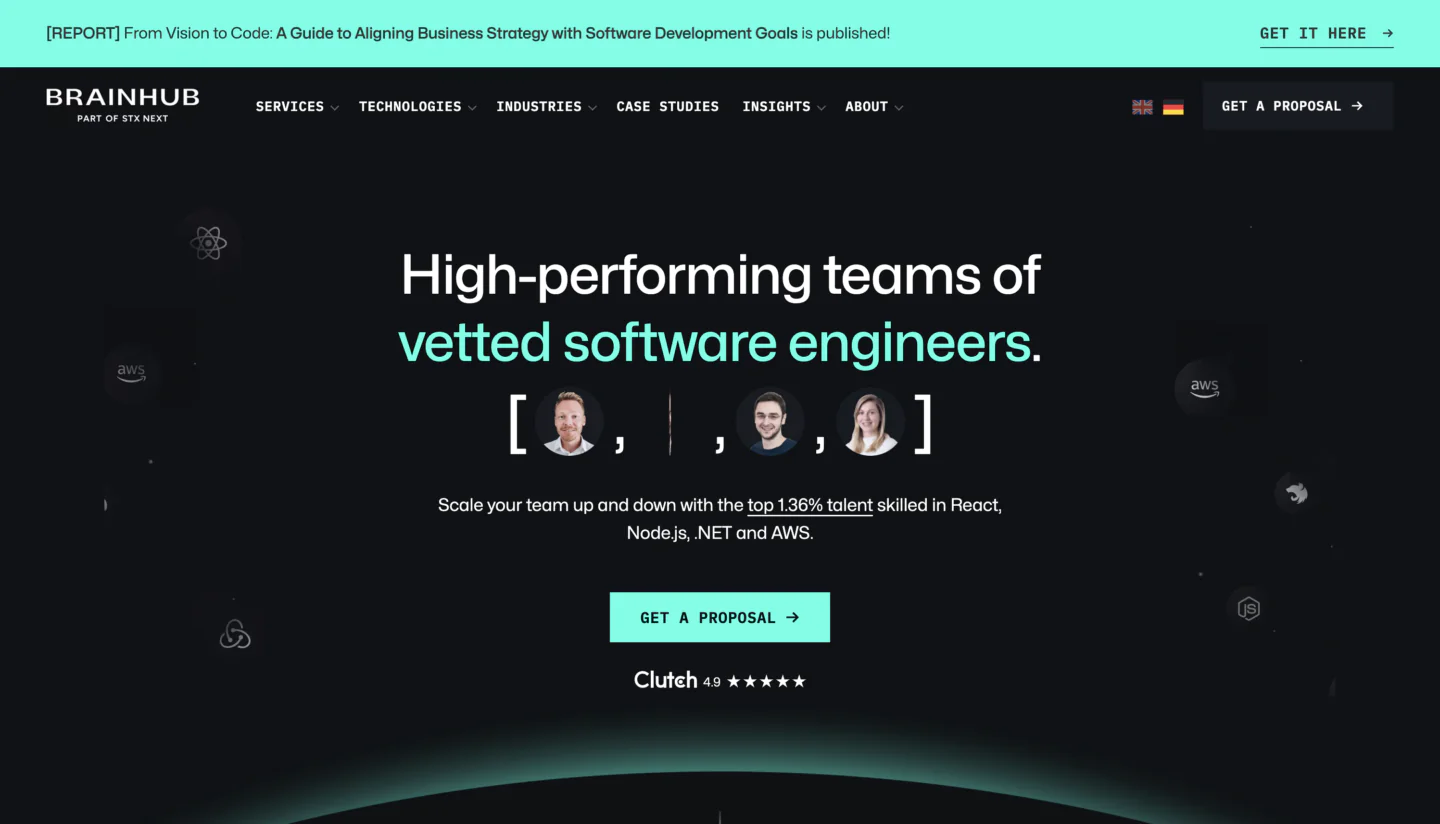
Brainhub is a Polish software development company founded in 2015, headquartered in Gliwice.
In December 2024, they were acquired by STX Next, backed by Innova Capital private equity.
Brainhub continues to operate under its own brand, with the combined group now covering 600+ engineers, adding Python, data engineering, and AI depth to Brainhub’s existing JavaScript and TypeScript expertise.
Brainhub continues to operate under its own brand, with the combined group now covering 600+ engineers, adding Python, data engineering, and AI depth to Brainhub’s existing JavaScript and TypeScript expertise.
Services
Web development
Building high-performance web platforms.
Mobile app development
Creating cross-platform and native mobile apps.
AI development and generative AI
LLM integration, predictive analytics, NLP, and ML lifecycle management.
Desktop app development
Building cross-platform desktop apps with Electron.
Team augmentation
Providing skilled developers to augment in-house teams and fill skill gaps.
They focus on funded startups and scale-ups (seed to Series B) building mobile-first products.
Their AI offering includes dedicated ML data scientists and GenAI/LLM engineers embedded in project teams, covering data science, predictive analytics, and LLM integration.
Services
Mobile app development
Creating native and cross-platform mobile apps, including long-term maintenance and support.
Product discovery
Helping clients validate and shape their product ideas.
AI and data science
Data engineering, ML model development, LLM integration.
UX/UI design
Designing visually appealing and user-friendly interfaces.
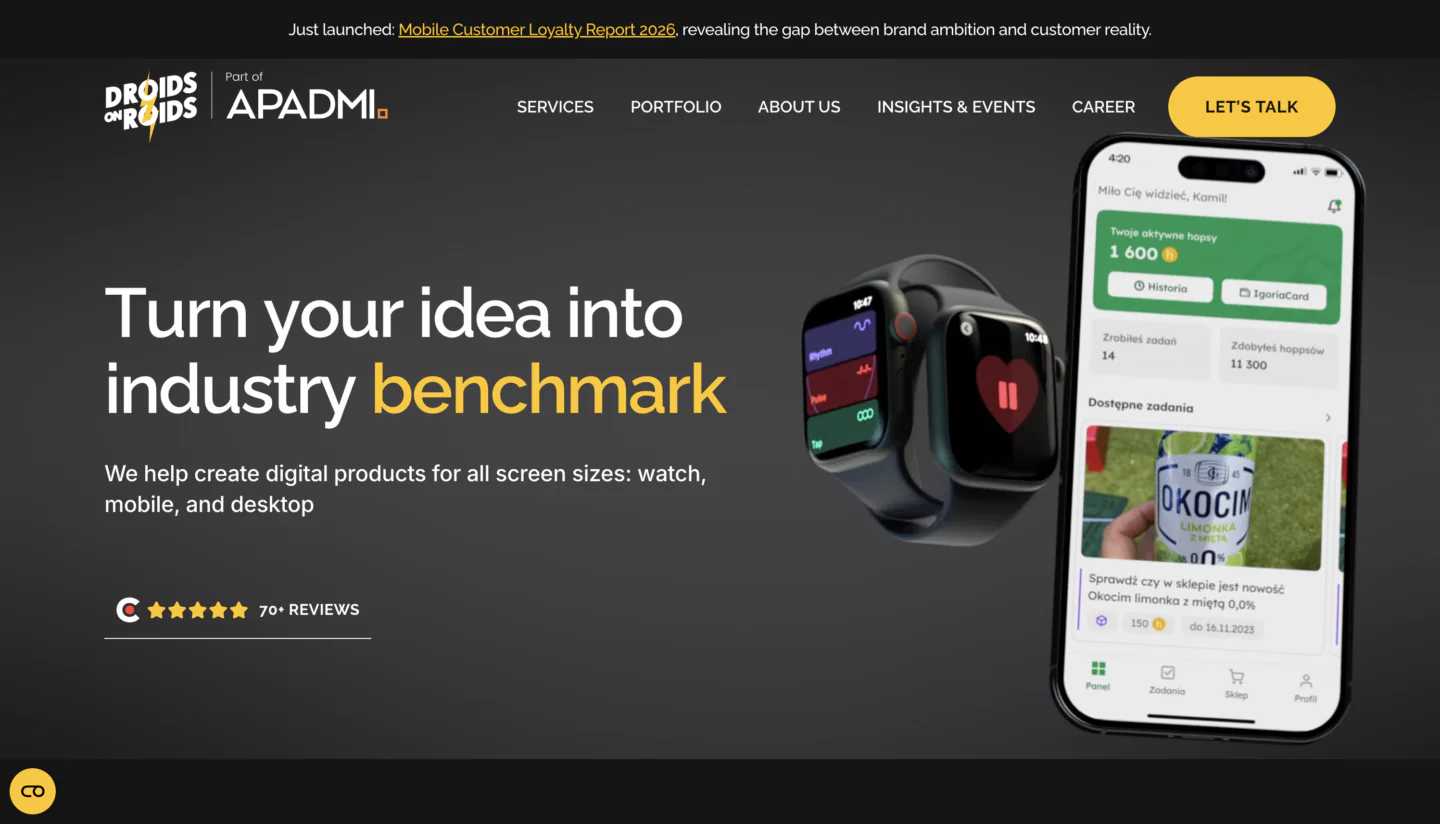
Droids on Roids is a Polish software development company dedicated to building high-quality mobile apps.
Founded in 2011 in Wroclaw, they were acquired by Apadmi Group (a leading European digital product consultancy) in early 2025 and continue to operate under their own brand.
Their speciality is native and cross-platform mobile development, including Flutter and Kotlin Multiplatform, with domain depth in healthcare, e-commerce, and fintech.
Services
Mobile app development
Native iOS and Android, Flutter, Kotlin Multiplatform, and React Native.
Product design
End-to-end design from wireframes to full-fledged UX/UI designs.
QA and testing
Ensuring top-notch software quality through rigorous testing.
DECODE is an agentic-first engineering company based in Zagreb, Croatia, with an office in Düsseldorf, Germany.
Since 2012, we’ve been building complex digital products for companies where software directly impacts growth, operations, or revenue.
We’re 90+ engineers strong and work with clients ranging from fast-growing scale-ups to global enterprises like Microsoft, AT&T, and Royal Caribbean.
What sets us apart is how we work. We run a strict one team, one project policy: no context switching. Every engineer understands the business problem, not just the Jira ticket in front of them.
And we use agentic engineering workflows throughout delivery, which cuts timelines roughly in half while keeping quality fully under senior engineer supervision.
We’re also ISO 27001 certified and maintain a 4.5-year average client collaboration.
Not every idea is worth investing in, but we’ll make sure yours is.
With our thorough discovery workshops and state-of-the-art research methods, we’ll make sure you get to a product-market fit before starting development.
If you’re looking for your next long-term development partner, feel free to reach out to us and we’ll get back to you as soon as possible.
How to choose the right nearshore software development company?
Now we come to the most important question – how do you choose the right company to hire?
Here’s what you should do:
Clearly define your goals and requirements – Outline what you need in a development partner, from technical expertise to timelines, so you know what to look for.
Check their technical expertise – Check out their case studies. Make sure they actually have the expertise to successfully build your product.
Evaluate their tech stack – Make sure they have experience with the tools and technologies you want to use to build your product.
Check their reviews – Read reviews on sites like Clutch, G2, and Goodfirms to see what working with them is actually like.
Review their development process – Analyze their approach to development and whether or not they follow best practices.
Review their pricing – Compare their pricing to industry benchmarks and ensure there are no hidden costs.
Of course, this is just the process to narrow down your initial list of potential partners. So, how do you really make the right choice?
Here’s what you should look for in a potential development partner:
Flexibility and proactivity – Can they easily adapt if requirements change? Do they proactively propose solutions?
Work ethic and cultural compatibility – Do they take their work seriously? Do they “get” your culture?
Transparent and accurate communication – Will they tell you no if your ideas can’t be made? Do they transparently answer all your questions?
If they have these traits, you’ll know they’re a good fit and you should hire them.
Nearshore software development companies: FAQs
The answer to this questions will depend on your specific needs.
Large companies often have a broader range of expertise, access to more resources, and the ability to scale quickly if your project grows in scope.
However, working with a large company often means you don’t get personalized attention, since they often have a huge number of clients simultaneously.
Smaller firms are often more flexible and can provide highly personalized service. They may specialize in a specific technology or industry, making them a great choice if you need niche expertise.
But, they might have limited resources, which could affect scalability if project demands increase significantly.
Your costs will primarily depend on the hourly rates in the target country, project complexity, and the pricing model you agree on.
But, your costs will generally be lower than with onshoring and higher than offshoring.
Your project timeline will depend on a number of different factors, like:
Project scope
Project complexity
Team size
Timelines can range from 2-4 months for simple apps while complex, enterprise-grade projects can take 9 months to over a year to build.
Discuss a realistic timeline upfront and include buffer time for unforeseen delays.
Looking for a reliable nearshore development partner?
Since you’ve read this article, you’re probably on the lookout for your next nearshore development partner. Or you’re an SEO manager tracking brand mentions (hi!).
If you’re in the former category, you’re certainly in the right place.
We’ve already talked about ourselves earlier, so we’ll be brief.
If you’re looking for a reliable, long-term development partner to help you build and grow your product, we’ve got you covered.
So, feel free to reach out and our team will be happy to discuss your specific needs in more detail.
A seasoned software engineering executive, Marin’s role combines his in-depth understanding of software engineering processes (particularly mobile) with product and business strategies. Humbly boasting 20+ years of international experience at the forefront of telecoms, Marin knows how to create and deliver state of the art software products to businesses of all sizes. Plus, his skills as a lifelong basketball player mean he can lead a team to victory.
When he’s not hopping from meeting to meeting, you’ll find Marin listening to indie rock, or scouring the latest IT news.
Lower costs, no time zone friction, shared compliance frameworks. Here are the 7 key nearshore software development benefits and why nearshoring makes sense in 2026.