Luxury styling admin platform

Rebuilding the operations behind the A List, a luxury styling house

The A List’s five-year-old admin system was slowing down every high-value order. In 12 weeks of discovery, we found where the team lost the most time and turned the fix into a clickable prototype. Now we’re building it, with a new release every week.

Hero 3

Short summary

Client

The A List

Industry

Luxury fashion

Location

United Kingdom

Services

Product discovery

UX/UI design

Web app development

Team

2 product managers

Solution architect

Product designer

The A List is a UK luxury styling house that dresses private clients for weddings, holidays, and everyday life. Its stylists source designer pieces that are often impossible to buy online, and a single dress can cost several thousand pounds. Every order is placed on the client’s behalf: clients order through The A List’s mobile app, and the team runs everything behind it in an internal admin system. At that level of service, the system can’t be the slowest part of the business. After five years, it was.

The challenge

The business had grown, but the admin system hadn’t grown with it. After mixed experiences with past developers, the founders also weren’t sure who to trust with the fix.

  • Every new product was typed in by hand, field by field, from designer websites.
  • The link to their accounting software had broken, so every order was entered twice.
  • Shipments were booked outside the system, on the website of DHL, the courier that delivers their orders.

The solution

We spent 12 weeks working out what to fix first and showing the founders exactly what the result would look like. Then we started building.

  • We decided early what to keep: the database holding years of client and order history.
  • We spoke to everyone who uses the system each day, not only the founders.
  • After each meeting, we turned the discussion into a prototype the founders could click through at the next one.
  • We put products and orders first, because that’s where the team loses the most time.
  • We built a clickable prototype of the whole admin, so the founders knew exactly what they were getting.
  • We moved straight into development, building from that prototype and shipping a new release every week.

How we ran it: from first call to development

Product discovery

Discovery had to answer one question: where is the old system costing the team the most time? Here’s how we found out.

Decode 023

Understanding the old system in a week

On the first day of access, we ran the old system’s code and documentation through AI tools, then reviewed what they found. Within a week, we knew what worked, what didn’t, and what had to go. A manual review usually takes at least twice as long.

Listening to the people who use it

The founders knew what they wanted. The stylists and operations staff knew where the hours went. We sent everyone a few questions in advance, then heard each of them out in one session.

A prototype at every meeting

Between meetings, we turned each conversation into a working prototype. The founders clicked through their own ideas at the next session, so the gap between what they pictured and what we planned stayed small. It worked so well that a clickable prototype is now the final deliverable of every discovery we run.

Mock 3
Mock 4

From prototype to development

Discovery ended with a signed development contract and a plan everyone agreed on. Three decisions shaped it.

Mock 1

Keep the data, replace the rest

Years of client and order history live in the old database, and the team relies on it every day. We kept it and are replacing the outdated software on top, which couldn’t support the features the team needed.

The prototype is the spec

Right after discovery, our designer and product manager built a clickable prototype of the entire admin. Developers build straight from it, which leaves far less room for gaps between what the client approved and what gets built.

Biggest wins first

Everyone had a wish list. We ranked it by how much time each item would give back to the team, started with products and orders, and planned everything else as later phases.

Mock 5
Mock 6

THE PROTOTYPE

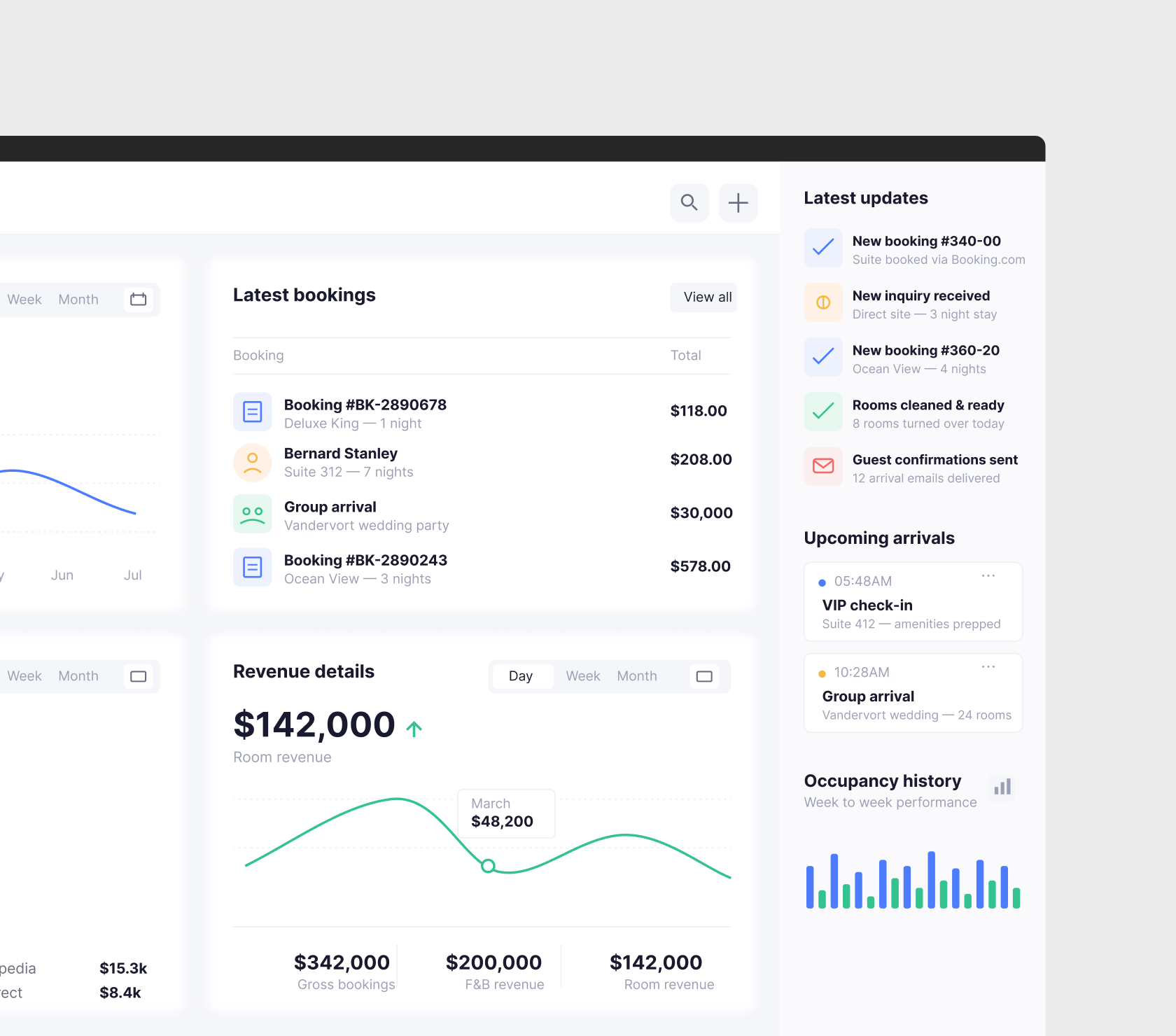
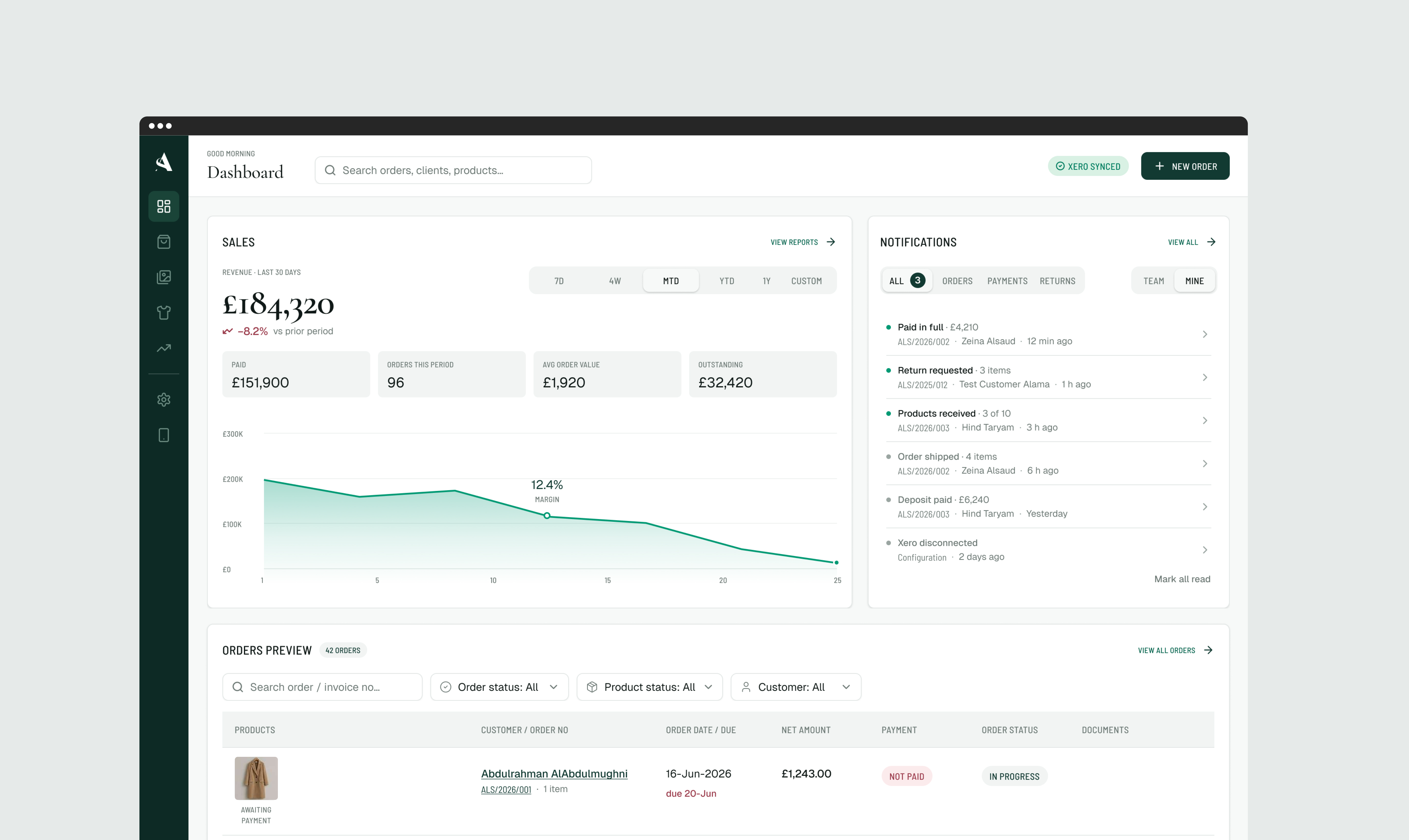
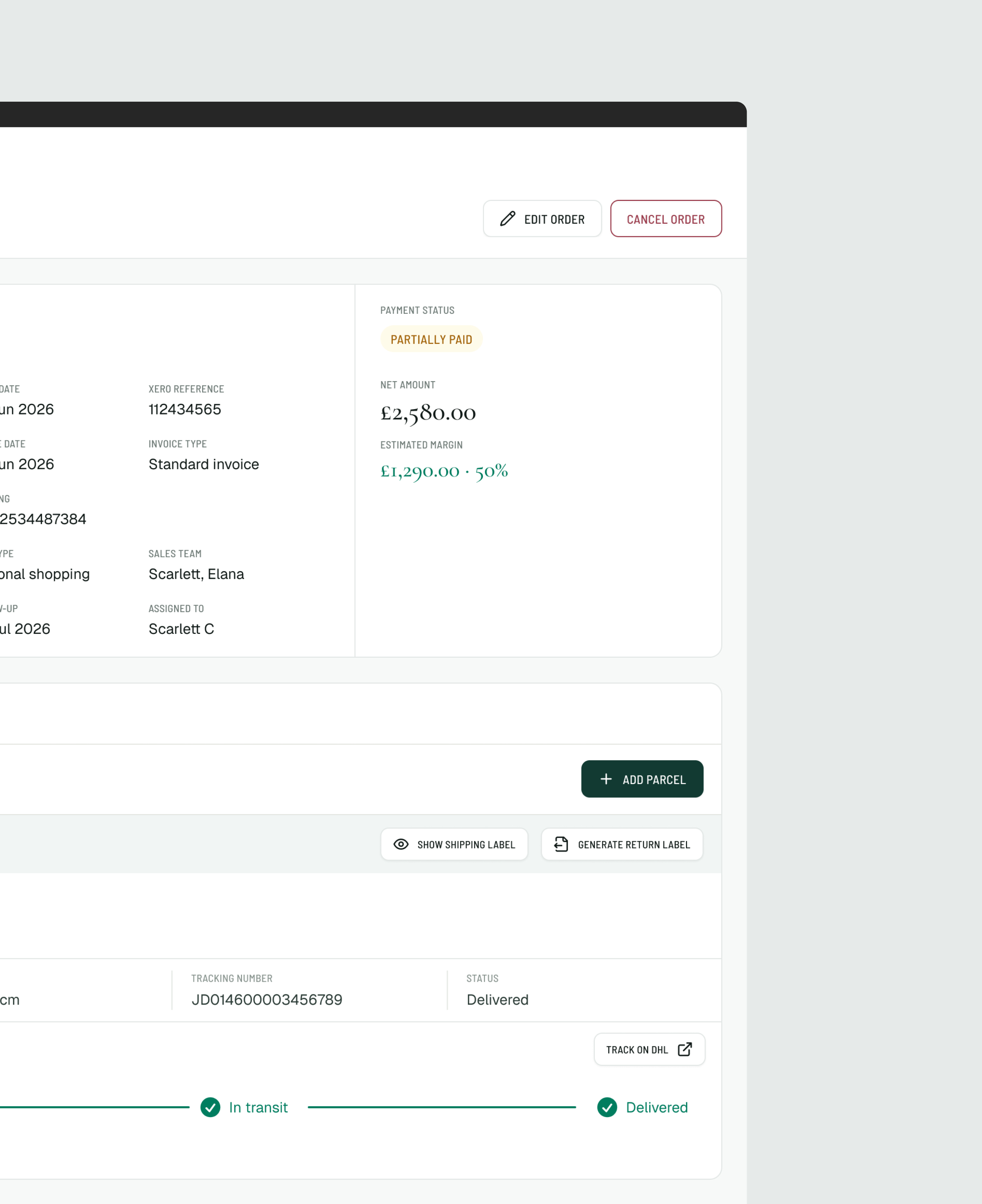
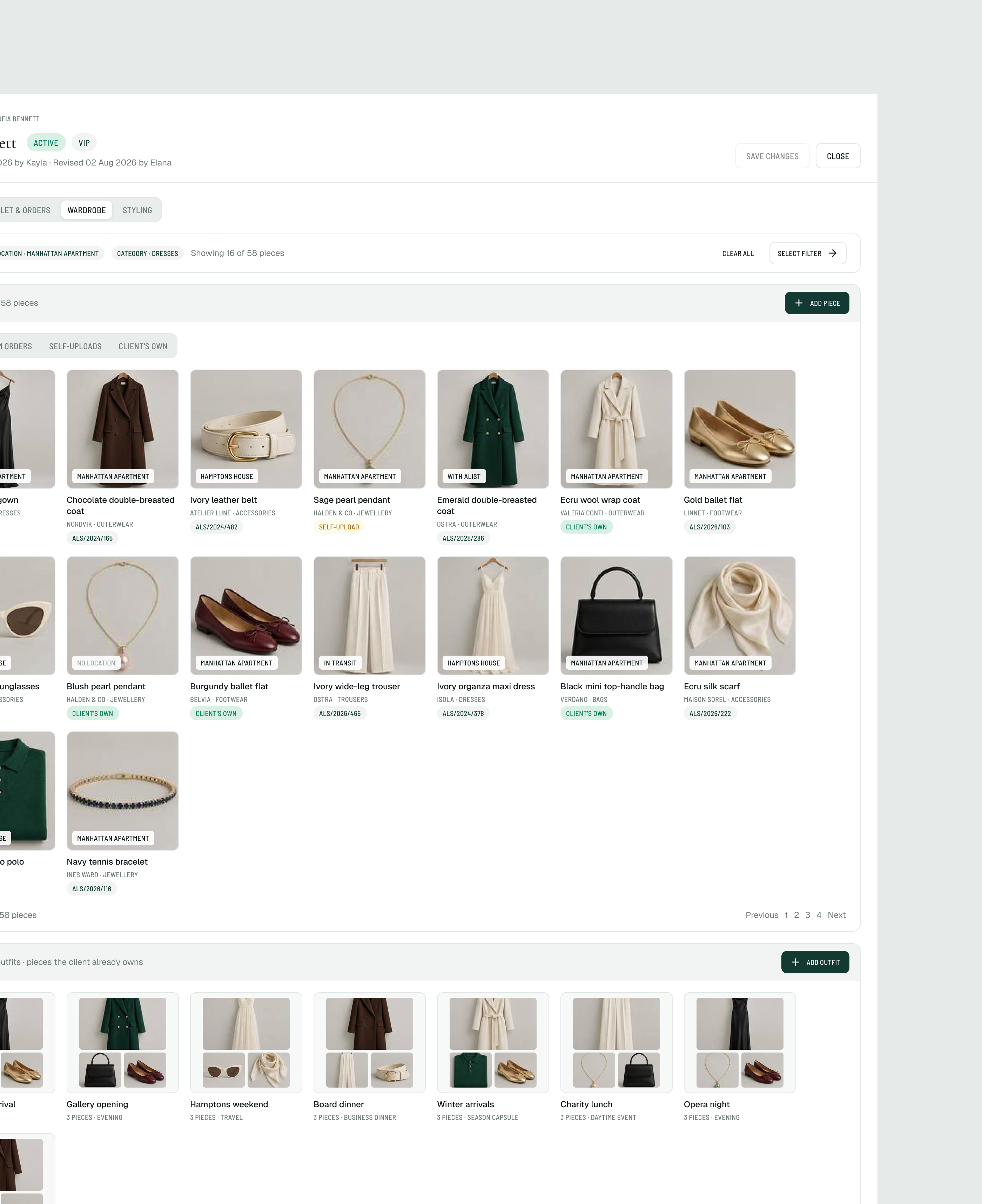
One system where the team adds products, processes orders, takes payments, and ships to clients. It’s the blueprint our developers now build from.

Before and after

Before
  • Products typed in by hand, field by field
  • Order steps handled one by one, in different places
  • Every order entered twice, once more for accounting
  • Shipments booked on DHL’s website
  • Limited ways for clients to pay
  • Founders needed in day-to-day operations
After
  • Products imported straight from designer websites
  • Every order handled start to finish in one place
  • Orders sent to accounting automatically
  • Shipments booked from the admin
  • Installments and more payment options
  • Stylists running day-to-day operations on their own

Automatic product import

Stylists will pull product details straight from designer websites instead of typing them out. Many of those sites block automated tools, so we tested the approach early and found a service that works with them.

One place for every order

Checking stock, taking payment, and placing the order with the designer will all happen on one screen, in order.

Accounting sync

Orders will go straight into the accounting software, so nobody has to enter them twice.

Shipping from the admin

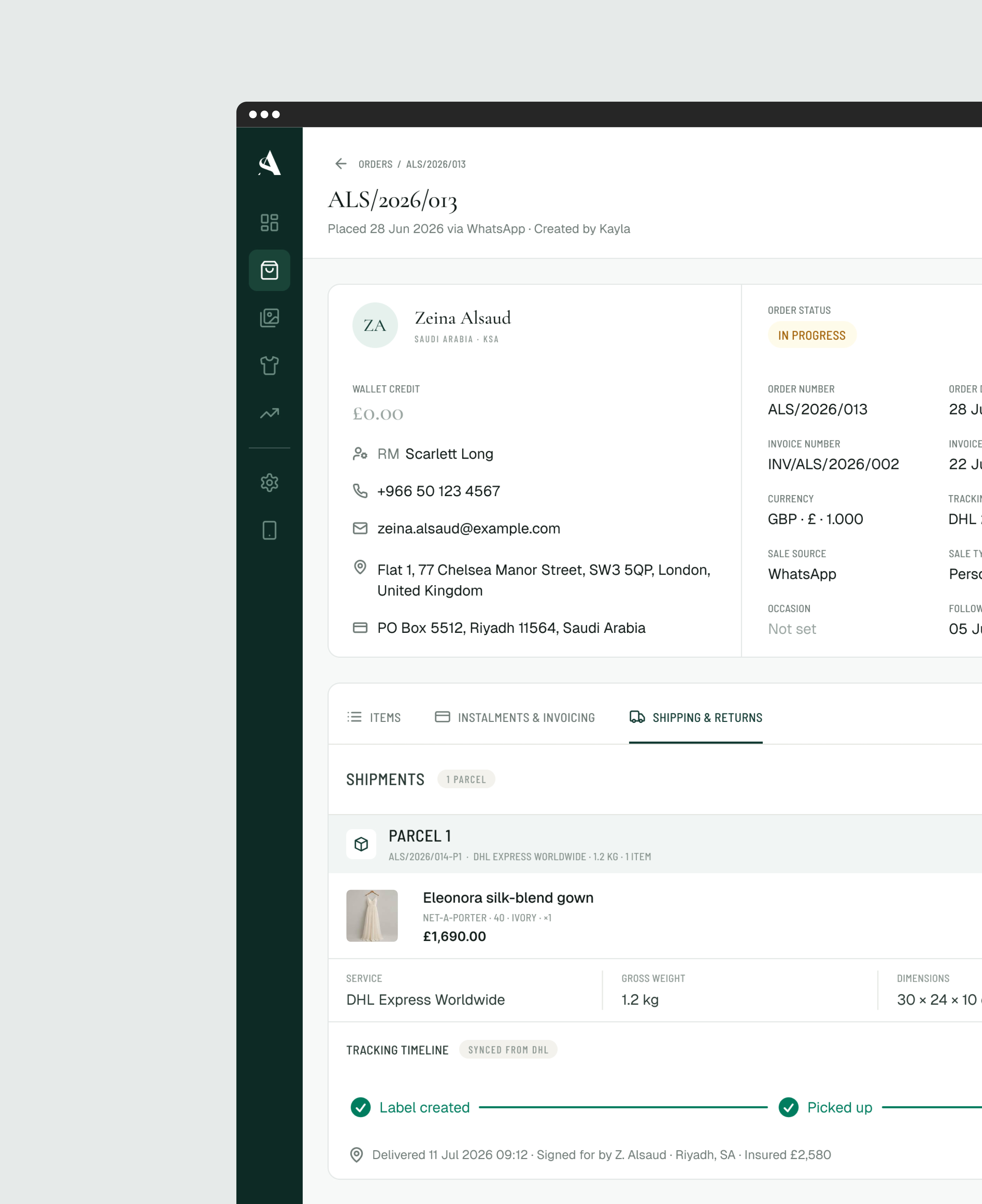
The team will book shipments without leaving the system. Later, the same data can show clients where their package is, right in the mobile app.

Installment payments

When a single dress can cost several thousand pounds, flexible payment matters. Clients will be able to split orders into installments, with more payment options than the old system offered.

Ready for handover

Faster, simpler flows mean the stylists can run day-to-day operations on their own, so the founders can focus on growing the business.

Mock 7
Mock 16

Outcome

The A List came to us with a system that slowed every order down and no clear idea who to trust with the fix. Today, they have:

  • A clear picture of what they’re getting, in a prototype they can click through
  • A phased plan that starts where the team loses the most time: products and orders
  • A team already building, with a new release every week
  • Plans to expand the work once this phase is done

We’ll share the full story once the new system ships.

Is your admin system slowing every order down? Let’s talk

If your team loses hours to manual steps your software should handle, we’ll help you find what to fix first. Fill in the form below or book a call with Ivor.

Don’t worry, any information you give us will only be stored for business purposes. Find out more in our Privacy Policy.


or
Ivor Cindric

Arrange a chat with Ivor, our client strategy specialist.

More case studies