Find the right AI use cases before investing in development.
Connect AI to your existing systems and workflows.
Build autonomous AI agents that automate complex tasks.
Design and develop AI solutions tailored to your business.
Trusted by great companies
We use AI throughout the software lifecycle to reduce repetitive work and put more time into quality, product thinking, and better decisions.
In this article, we break down how that works across planning, design, development, testing, and post-launch support, and where agentic development fits into the way we build.


Our engineers think beyond code. They weigh the product, the user, and the problem, then make technical calls that move your business forward.
One expert or a full team, you get their complete focus start to finish. No context switching means deeper ownership, and you’ll feel it within weeks.
You see everything we see in real time, from progress to problems. Daily standups, weekly check-ins, Slack, and demos keep you close to the work.
AI is core to how we build. We use it across the lifecycle to cut repetitive work, sharpen decisions, and keep quality high.
Our PMs have real technical experience, so they get how the product is built. That means more accurate estimates and faster decisions.
We hire only the top 1.5% of applicants. Many hold an M.S. in Computer Science and have built for companies like Microsoft and AT&T..

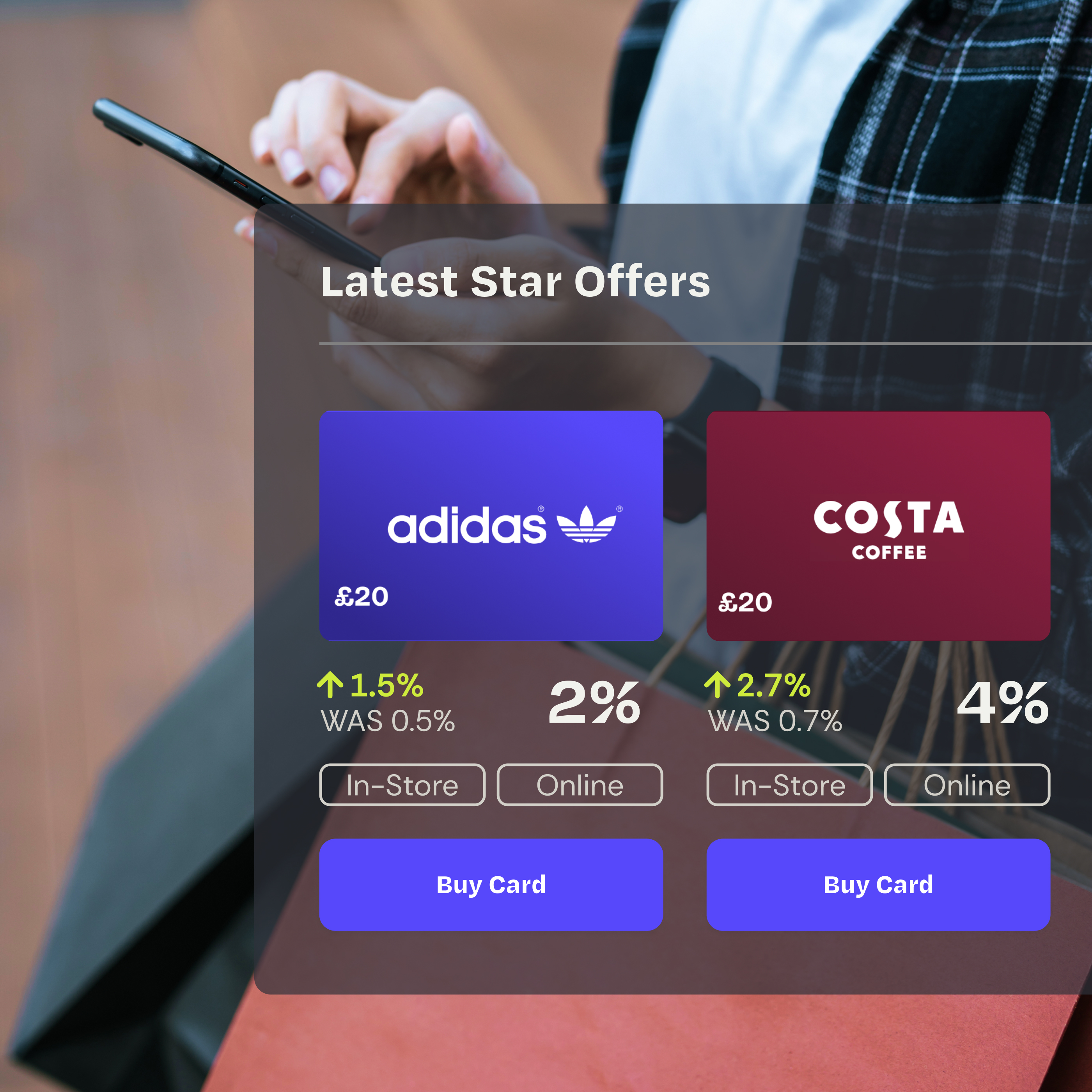
We built rightvybe’s cross-platform MVP in five months, a Flutter app on a Ruby backend that turns everyday shopping into instant cashback and charitable donations. We integrated Token.io open banking and Twilio, shipping a secure, scalable product on time and on budget.
Fintech
UK
Enterprise

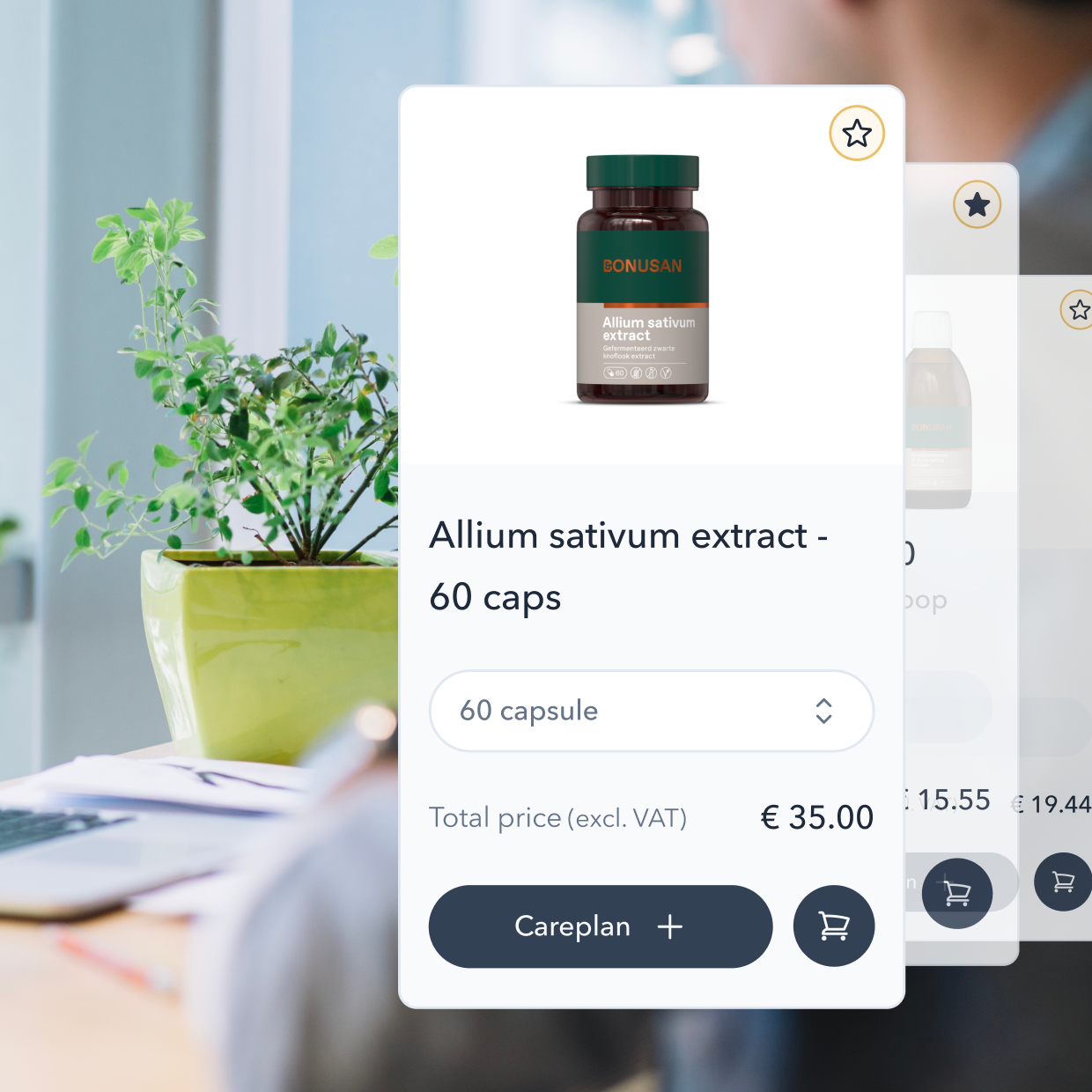
We built a platform that helps health professionals assess clients through structured questionnaires, review results, and create personalized supplement plans. It connects to the client’s product catalog, supports ordering, and includes tools like scheduling, client dossiers, and AI-assisted notes.
HealthTech
Netherlands
SME

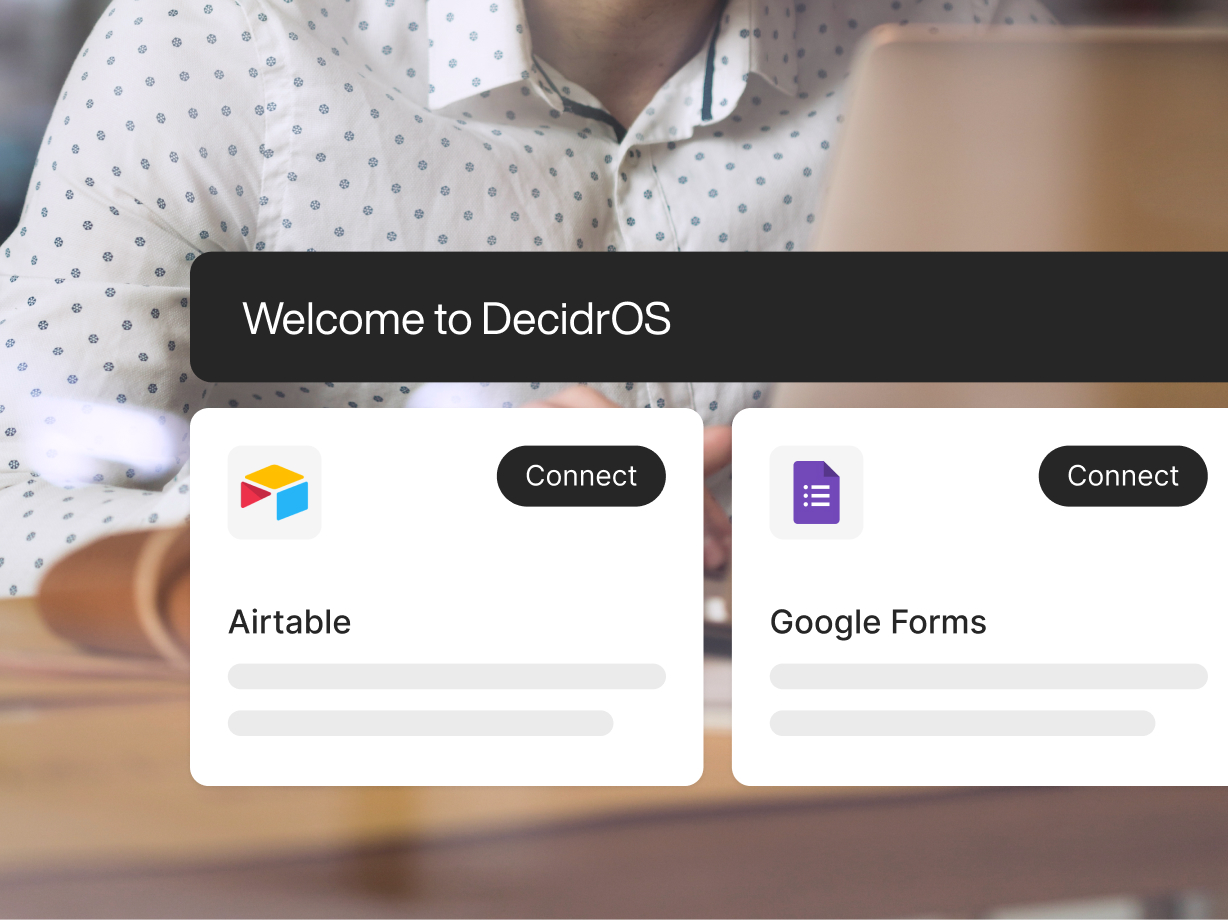
We partnered with an Australian AI startup to build a unified business platform, where we expanded their engineering capacity and delivered key AI features using Ruby on Rails, React, and major AI integrations.
AI Software
Australia
Post-IPO

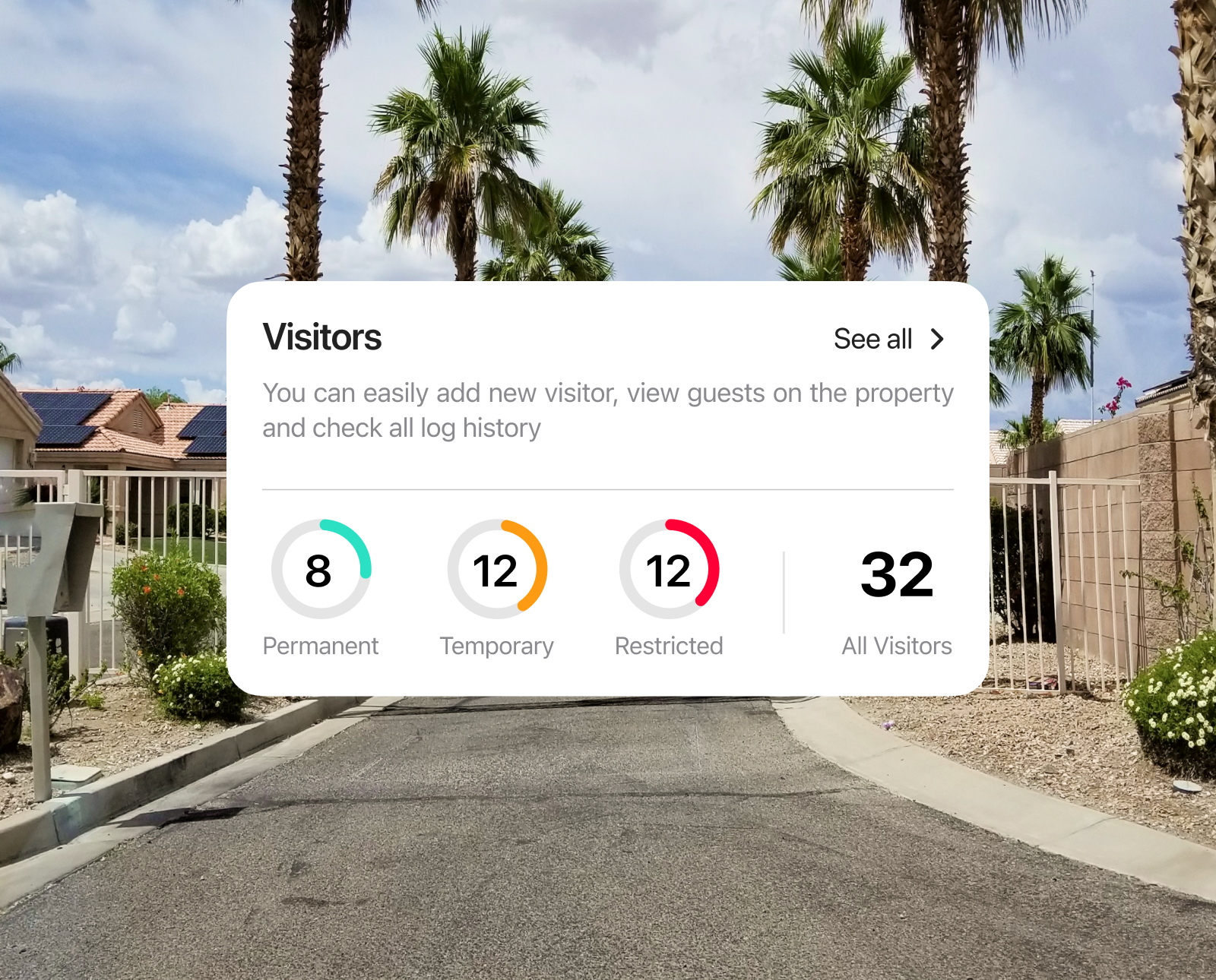
We built native iOS and Android apps from the ground up for a California proptech company, adding IoT-powered touchless credentials, visitor management, and event tools. We gave residents secure, intuitive control over access to their shared property.
Real estate
US
SME

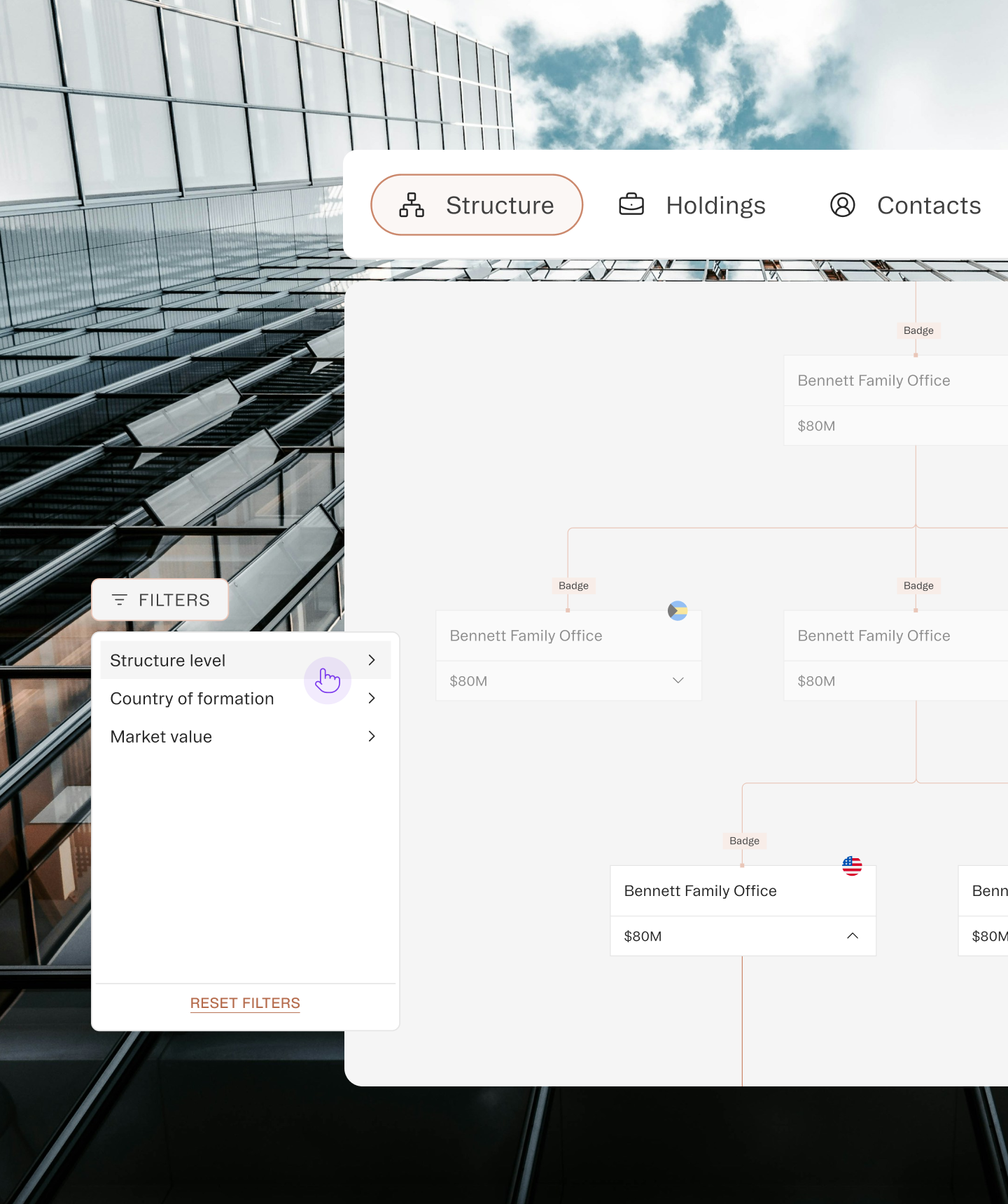
A US wealth management firm serving ultra-high-net-worth families was running its critical operations across more than a dozen separate tools. We planned, designed, and built a single custom platform that replaced all of it. See more →
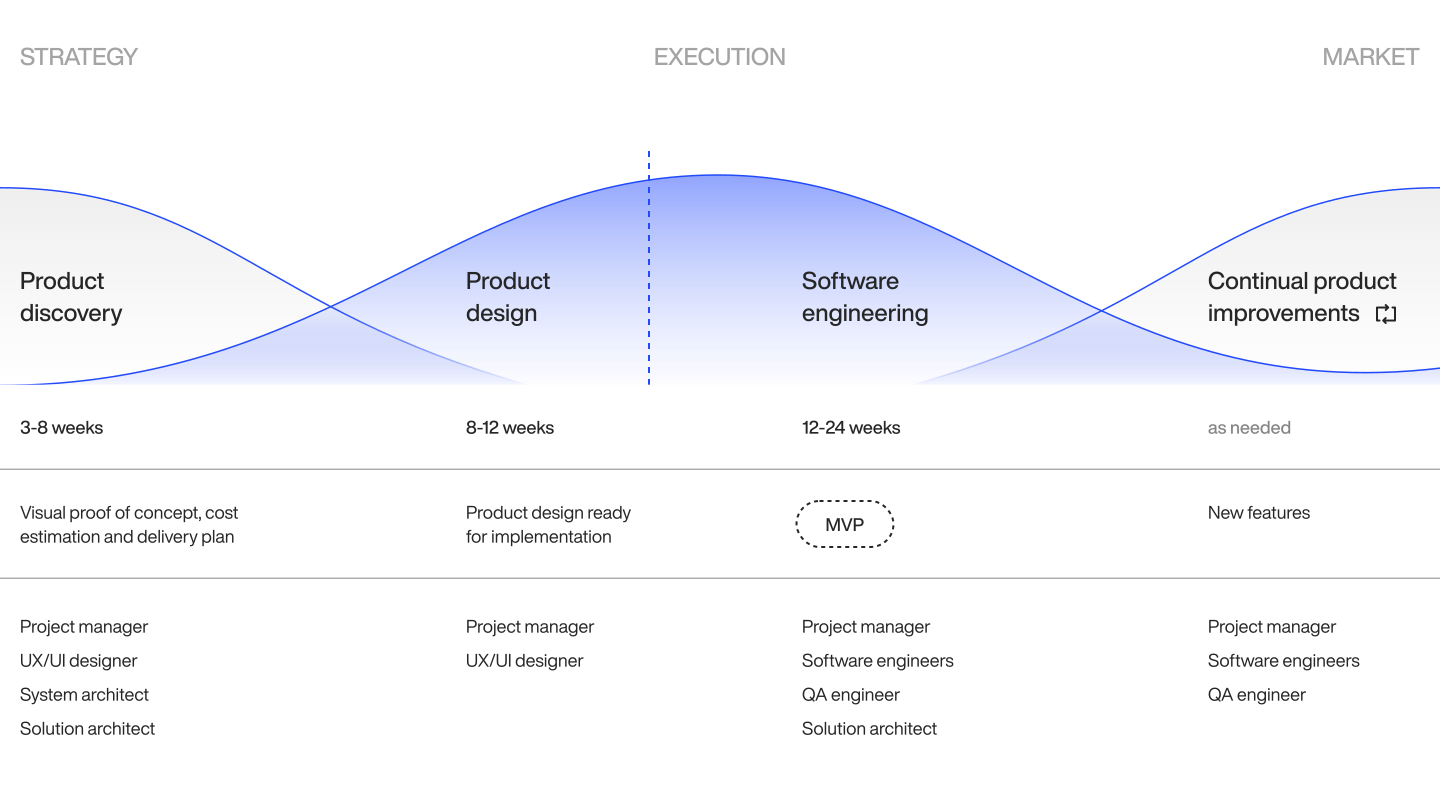
Timeline
Outcome
Product discovery
3 months
Complete strategy
MVP
7 months
Fully functional product
Over a relaxed call or two, we’d like to hear as much as possible about your project (fully NDA’d of course).
We’ll talk about:
If we both feel we’re a great fit for each other, we can move on to the next step.
Once we’re on the same page about your project, we move fast to get the right people in place:
With the team set, we’re ready to start building.
If everything sounds good to you, we’re ready to get started.
Don’t worry, whatever it is, we’ve got you covered in our FAQ.
You don’t need a 40-page business plan, but you do need clarity.
That means understanding the problem you’re solving, who you’re solving it for, and whether there’s enough market demand to justify the effort.
The MVP itself is part of shaping your business model. It helps you validate your core assumptions, test early positioning, and figure out what people are actually willing to pay for (or not).
Think of it as the first real-world step in building your business, not something that comes after you’ve figured everything out.
You could, but it’s rarely a good idea.
Going straight to a full build means locking in features, making expensive technical decisions early, and potentially spending months building something users don’t want.
An MVP helps you avoid all that by testing the concept first.
If the MVP works, you’ll have real data to guide the next phase.
And if it doesn’t, you’ve saved time, money, and effort – and now you have feedback that can shape a better version.
We start with the one problem your product has to solve, then work backwards.
Every feature gets checked against a simple question: does this help us test the core assumption, or is it just nice to have? If it’s not essential to proving the concept, it goes on the roadmap for later, not into the MVP.
This is where having a product manager and solution architect in the room early pays off. They keep the scope honest, so you’re not paying to build things your users haven’t asked for yet.
You’re ready when your MVP checks three boxes: it solves one real problem, works reliably, and gives you a way to collect feedback from early users.
It doesn’t need every feature on your wishlist. It doesn’t need perfect design. But it does need to provide actual value and be stable enough that people can use it without getting frustrated.
If you’re still waiting to polish everything before launch, you’re probably overbuilding.
Launch small, learn fast, and improve based on what real users actually do – not what you think they might want.
The launch is just the start.
Once real users start to use your product, you’ll get the data that actually matters: what they use, what they ignore, and where they drop off. That feedback shapes what we build next.
Most of our clients keep working with us after launch to iterate, add features, and scale the product as it grows. We built rightvybe’s MVP and still support and maintain it today, for example.
We won’t disappear once the MVP drops. If you want to keep going, we’re set up to grow with you.
Want to get in touch? Just fill in the short form below, or skip to the bottom to arrange a chat direct with our Head of Partnerships. Either way, we’ll be back in touch as soon as we can to arrange an informal call.
Don’t worry, any information you give us will only be stored for business purposes. Find out more in our Privacy Policy.

Arrange a chat with Ivor, our client strategy specialist.
MVP app development is no walk in the park. This article will explain the steps you need to take to build an MVP for your app.
This article will discuss the three most common app validation tools—POC, prototypes, and MVPs, and explain the differences between them.
Getting investors onboard an app idea is one of the hardest things a founder has to do. We will show you how you can use an MVP for funding.
A mobile app MVP can come in many forms. This article will cover the common types of MVP that you can use in your project.
With this blog post, we bring you an overview of the many benefits of outsourcing your MVP development.
Validating your mobile MVP is important because it’s the first step in building your brand. This article will show you how to validate MVP.
We’ll discuss seven common MVP mistakes that you should avoid to make the process of building your MVP much easier.
What do many successful apps have in common? They started with an MVP. We will list some MVP best practices to help you create your own app.
This article will talk about the humble beginnings of successful apps. We hope that these app MVP examples will inspire your own success story.
Navigating the path to product-market fit can be quite challenging if you want to have a software product that’s going to stand out.
Davor Culjak, co-founders of Resonate Digital, points out the key areas that are crucial for developing a successful product.
29 min